




In search of the essential.
What remains when everything external fades away? Who am I – without roles, without expectations? I breathe. I feel. I perceive. But where does what truly matters reside – connection, love, happiness?
The journey of discovery to our inner core is quiet, but deep. And, sadly, rarely comfortable.
Who am I?
Am I my name, my appearance, or my profession? Am I the roles I play in my family or in society? Mother. Husband. Entrepreneur. Colleague. Am I what others think of me? Or what I think of myself? And if so, can I change it?
We go through different phases of life, change jobs, places, relationships. We question bonds, discover new sides to ourselves – again and again. Never before has our freedom to transform ourselves been as great as it is today. And yet, in an increasingly complex world, we also want to be able to find our place. Behind this lies a primal need: security and comfort. We want to be needed. And to belong.

I am many.
“Who am I – and if so, how many?”
A reflection by the German philosopher Richard David Precht. And a question that reveals more about our inner life than many answers. Sigmund Freud already pursued this idea with the concepts of "Id, Ego and Super-Ego". The American Dr. Richard Schwartz speaks of the "Internal Family System" – a coexistence of different personality parts.
We are not alone in the search for our essence – we are in good company. There is the doubter, the courageous one, the inner child, and perhaps even the version of ourselves that already knows how things could be. Every voice within us knows something – if we are willing to listen.
And then there are the two wolves from the well-known Native American story that live within us: the good wolf, which stands for joy, love, and hope, and the bad wolf, which is full of envy, greed, and arrogance. Which one becomes stronger? The one we feed with thoughts and deeds.

Perhaps that’s the essence: we carry many things within us – and are never just one version. But to embrace this diversity, it takes courage. And the will to leave familiar paths.
The everyday interruption.
We exist in the space between change and constancy. Today we seek adventure – tomorrow, the safety of our own four walls. We are adaptable. But our true nature often reveals itself only when we slow down and quiet the outside world.
We find no explanations for our being as long as we rush through life, work through to-do lists, and lose ourselves in distractions. The solution: mindfulness – in the small, everyday moments. As Zen monk Thich Nhat Hanh teaches: pause while brushing your teeth, reaching for the refrigerator, or before scrolling. Inhale. Exhale. Just be.
The quieter we become, the clearer our inner vision. And the more clearly we see what truly defines us.
Finding clarity.
The sociologist Aaron Antonovsky uses the term “Sense of Coherence” to describe three things we need to be in Einklang with ourselves:
1. We understand what is happening around us.
2. We feel capable of mastering challenges.
3. And we recognize meaning in what we do.
Anyone who is honest with themselves gradually recognizes their own truth: What has shaped me and made me the person I am today? What makes my heart burn? What values do I want to live by?
Our shadows can also be part of this introspection: How do I deal with fear? What happens when I'm angry? What beliefs keep me from realizing my dreams?

You are not a drop in the ocean.
You are an entire ocean
in a drop.
You are not a drop in the ocean.
You are an entire ocean
in a drop.
Recognising the essential.
Dancing, painting, or playing guitar – what excited you as a child? Sometimes, as we go through life, we lose touch with what moves us and makes us happy. Conversely, there may also be a cherished activity that has always been part of our lives.
When we become absorbed in such an activity – forgetting space and time – we are in flow: a state of ease, as described by happiness researcher Mihály Csíkszentmihályi. Then the mind recedes, and feeling takes over. It sounds plausible that we are closest to our essence in such moments.
This question also brings us closer: What remains when we leave? Those who confront their own mortality often recognize more clearly what is important – and what leaves a mark.
Feeling connected.
The path to oneself is a quiet dialogue with our inner being – and also an encounter with others. We are not only individuals, but also part of something greater. Every small change we make within ourselves has an impact beyond us. Everything is connected – within us, around us, with each other.
Connecting with ourselves and the world around us – that is the essence of our being.
For you. To read more.
We often say time passes too quickly. Yet, within it, a moment waits, just for you.
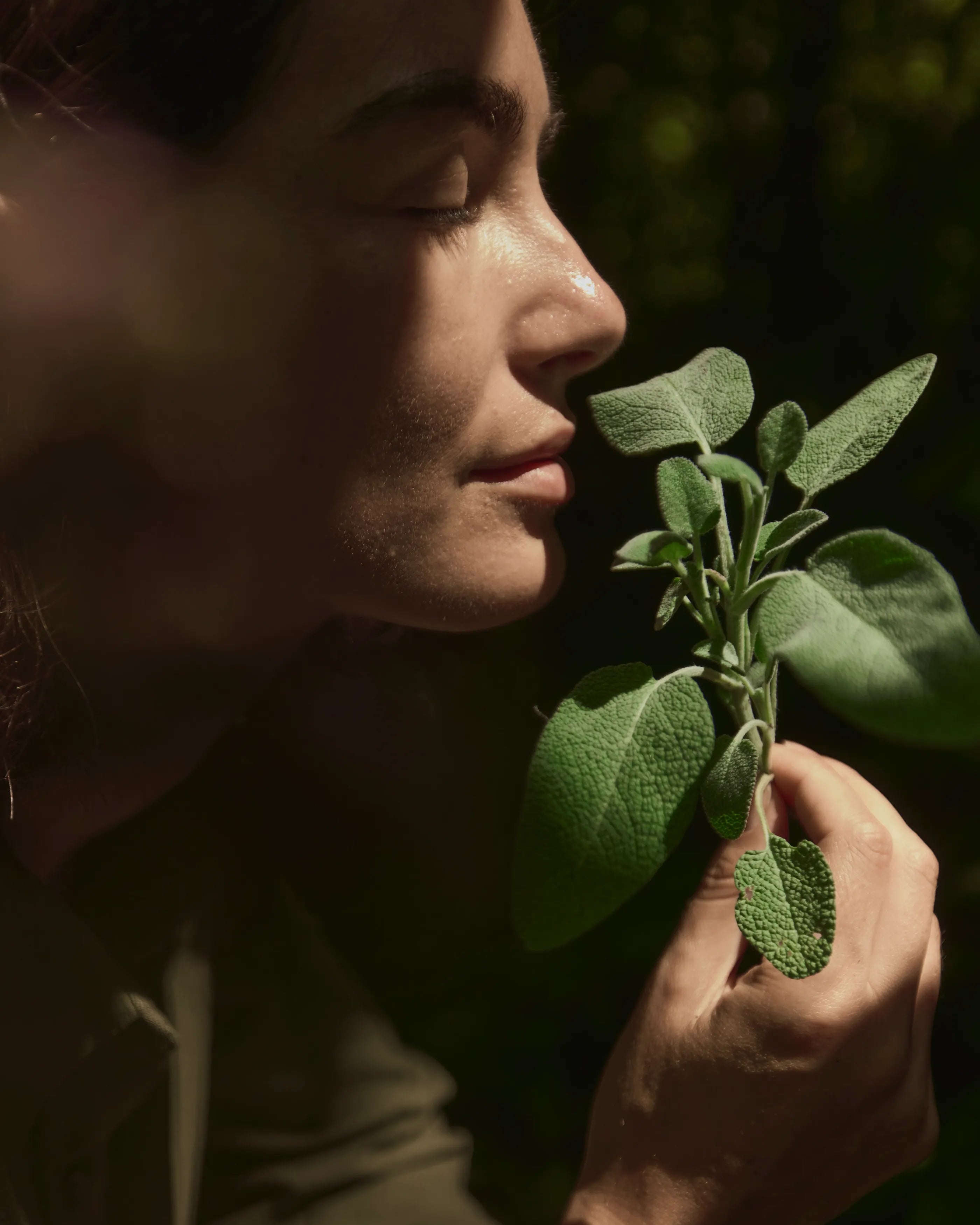
The nature of pure essential oils. How they work, and what to consider. Discover the plant's essence.

Scents can stir something within us that words cannot reach. What happens when plants become palpable.
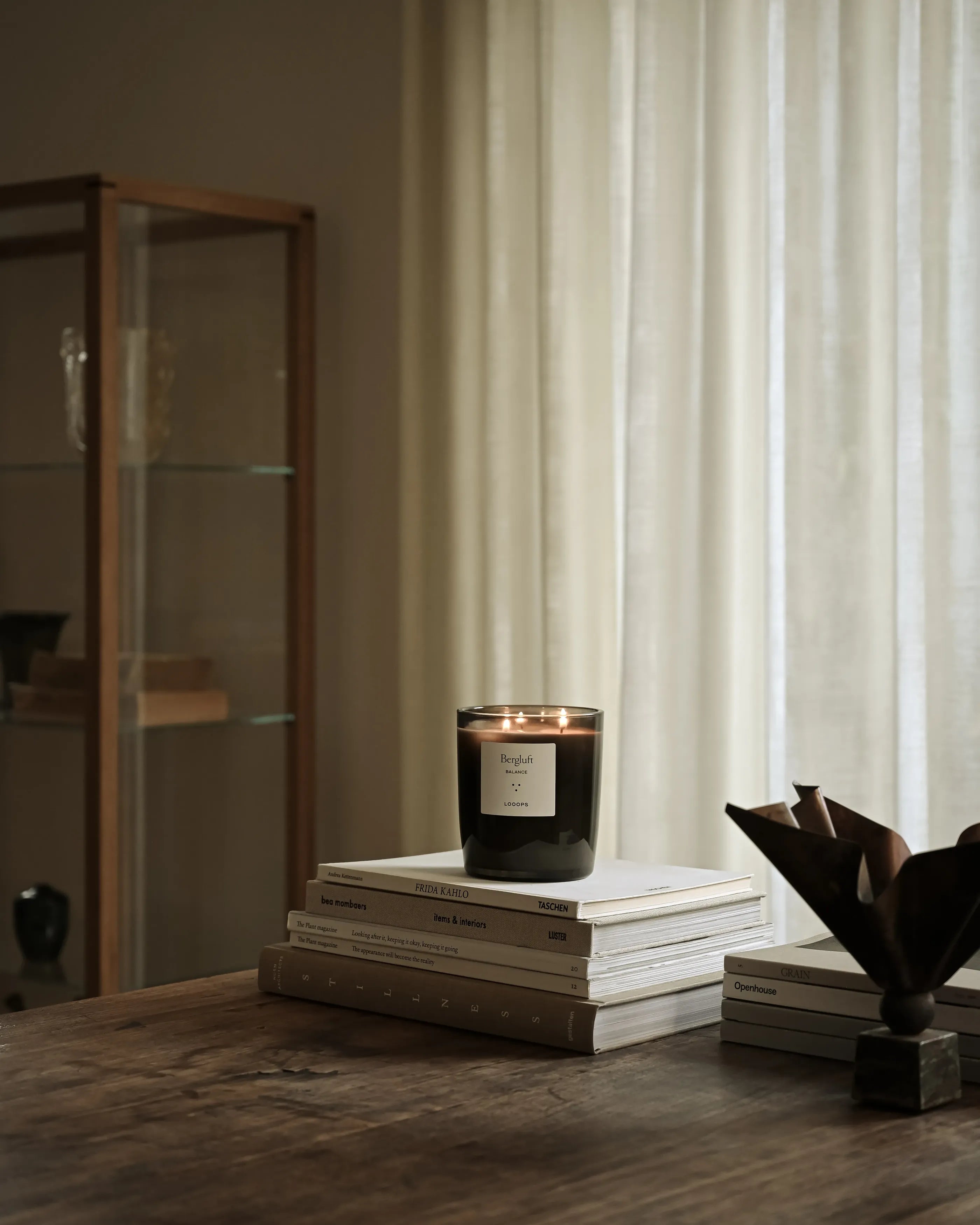
Find small moments to accompany your day – from morning's start to evening's release.