




How your space shapes scents.
Sometimes all it takes is stepping into a room – and something changes. The air carries a certain tone. Sometimes soft, sometimes crisp. Sometimes barely noticeable, and other times distinct.
But what actually determines what effect a scent has in your home?
Let yourself be carried away – through thoughts and spaces:
Space and air – a subtle interplay.
Materials – how surfaces shape scents.
Temperature and ventilation – a delicate balance.
When it comes together.
Rooms become more than just space.
Room size and air – the quiet interplay.
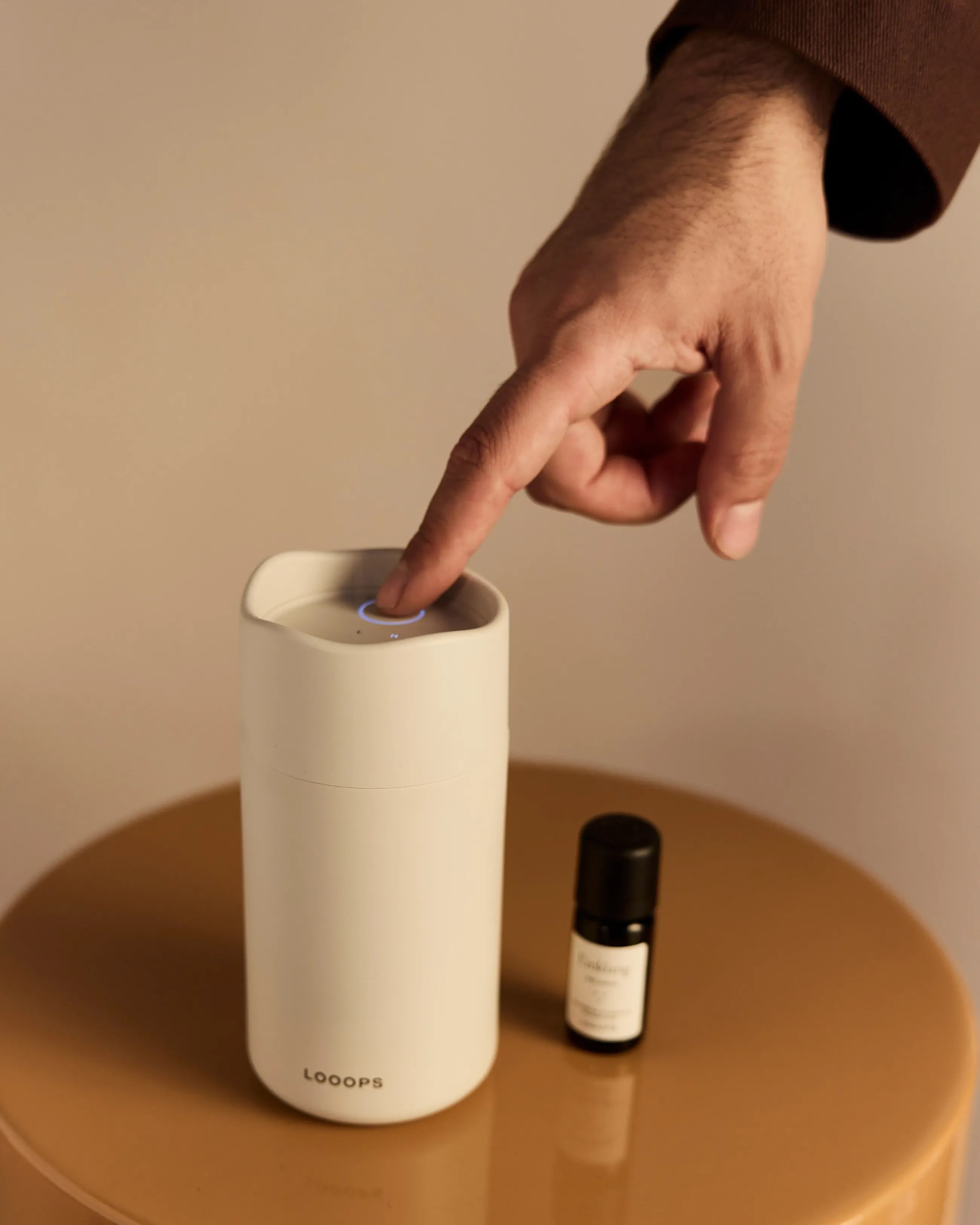
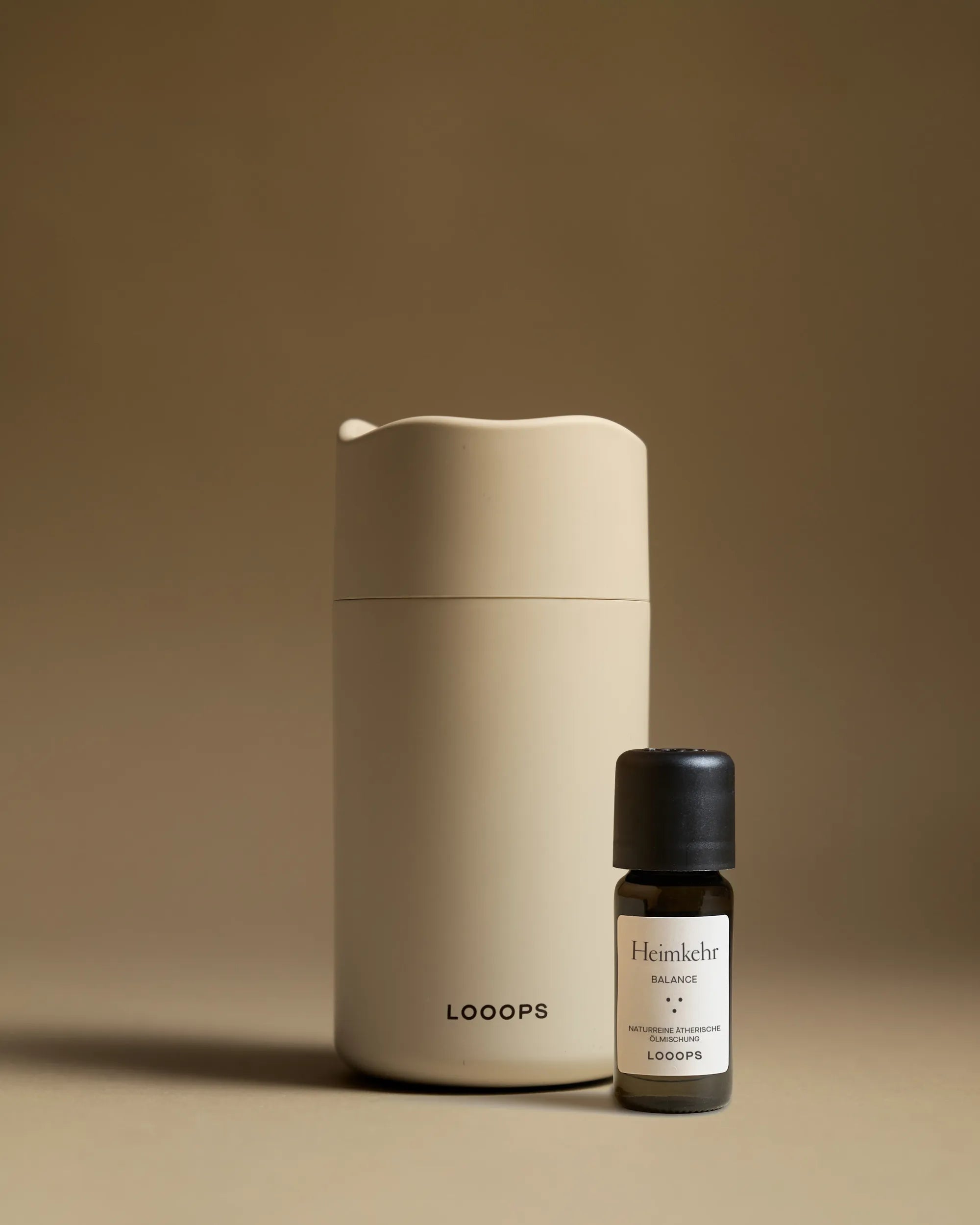
Large rooms give scents time. They unfold slowly, almost like a soft sound that gradually fills the entire room. In small rooms, everything is faster, more intense, and more immediate. Just a few drops of essential oil in the diffuser are enough to fill the room with scent.
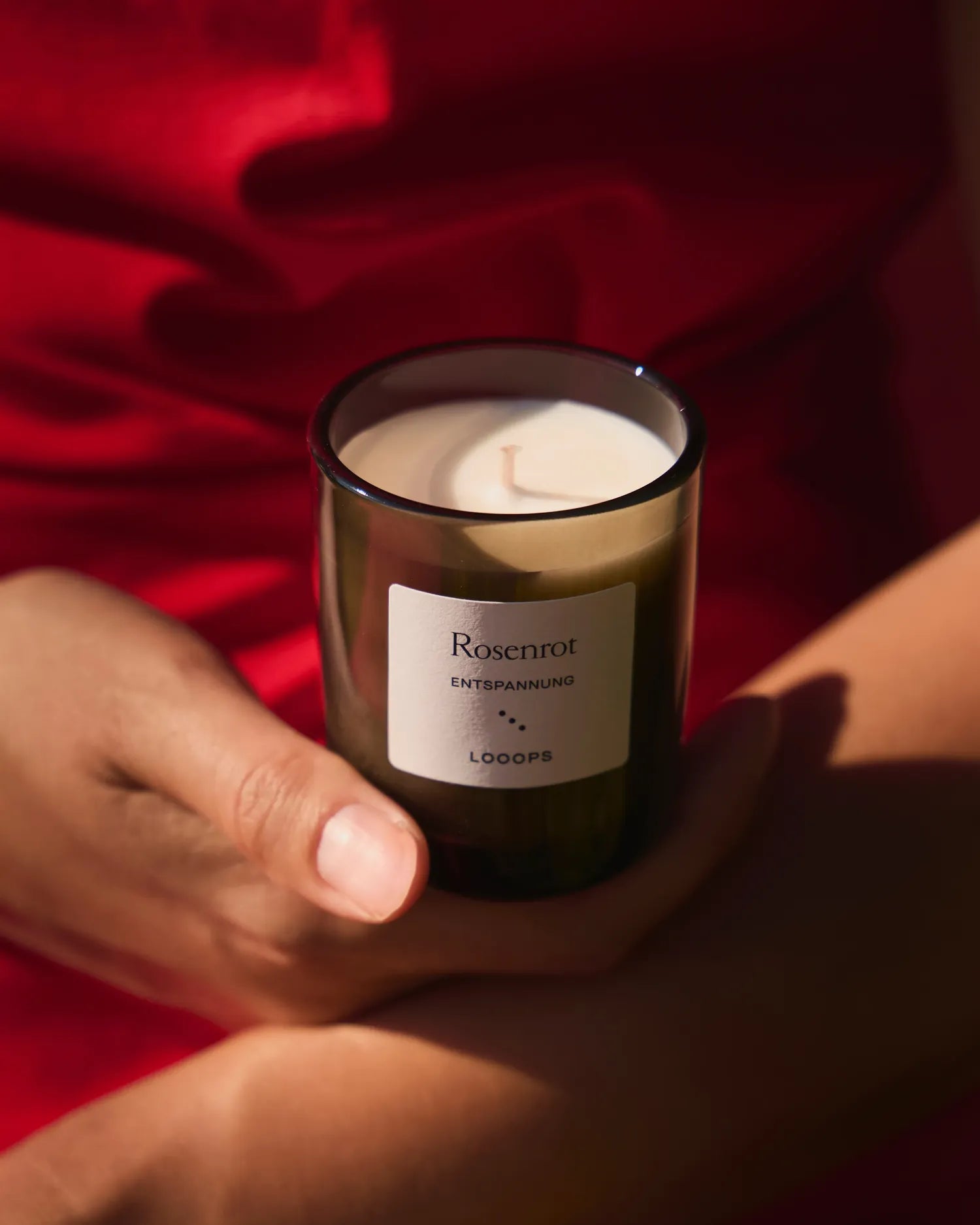
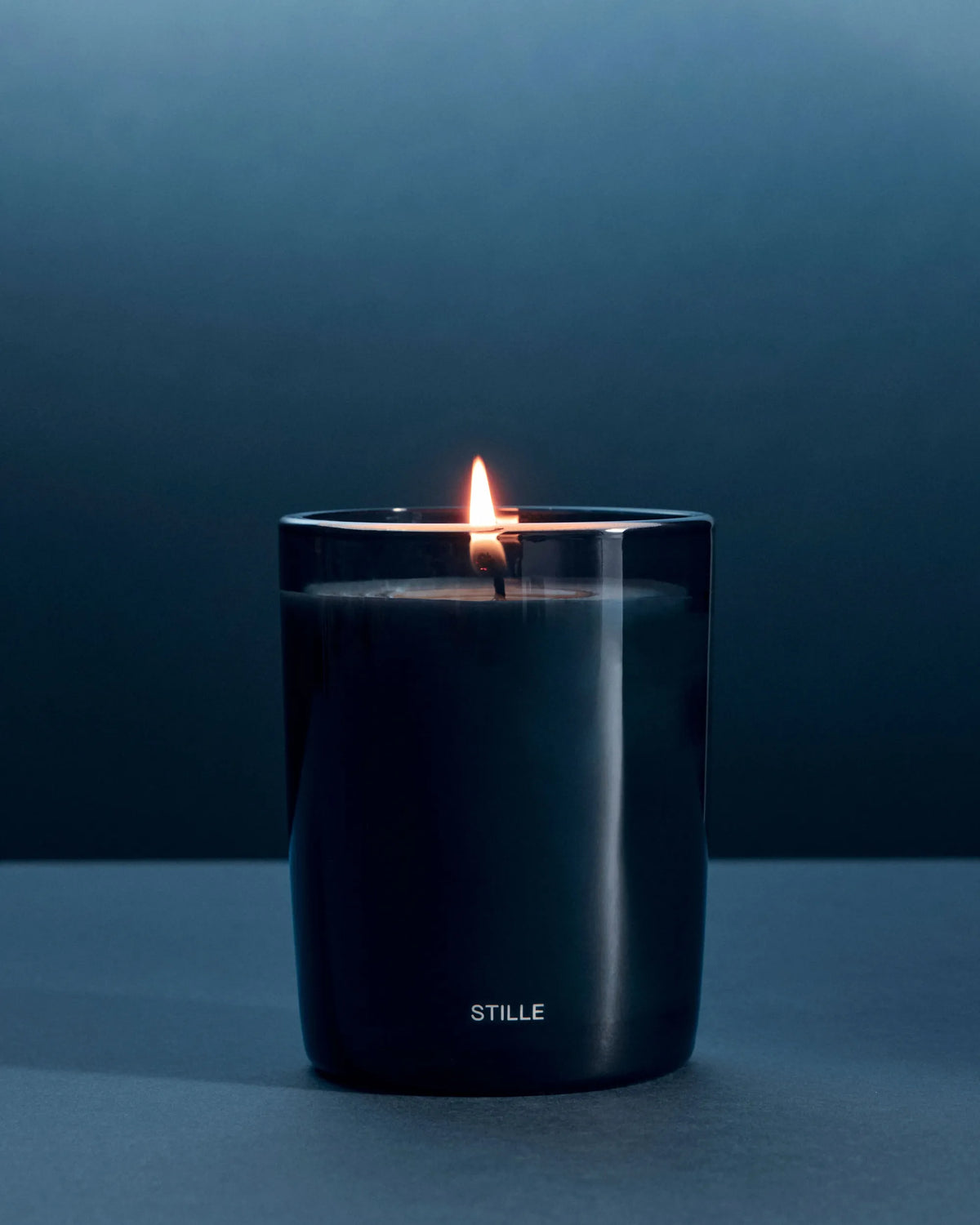
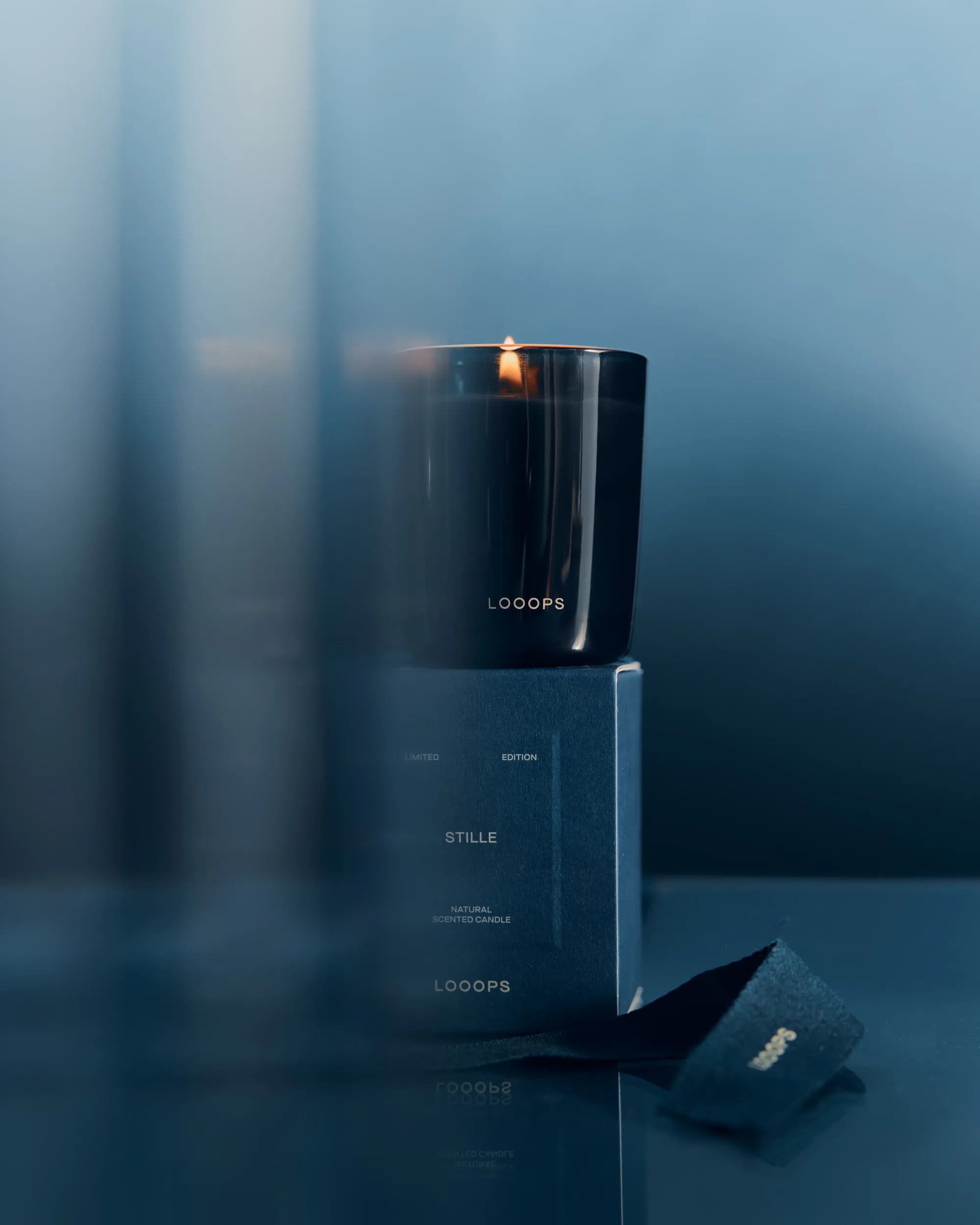
By dosing carefully—for example, by choosing the right size candle or the right number of drops in the diffuser—you give the room exactly the right amount of ambiance it needs.
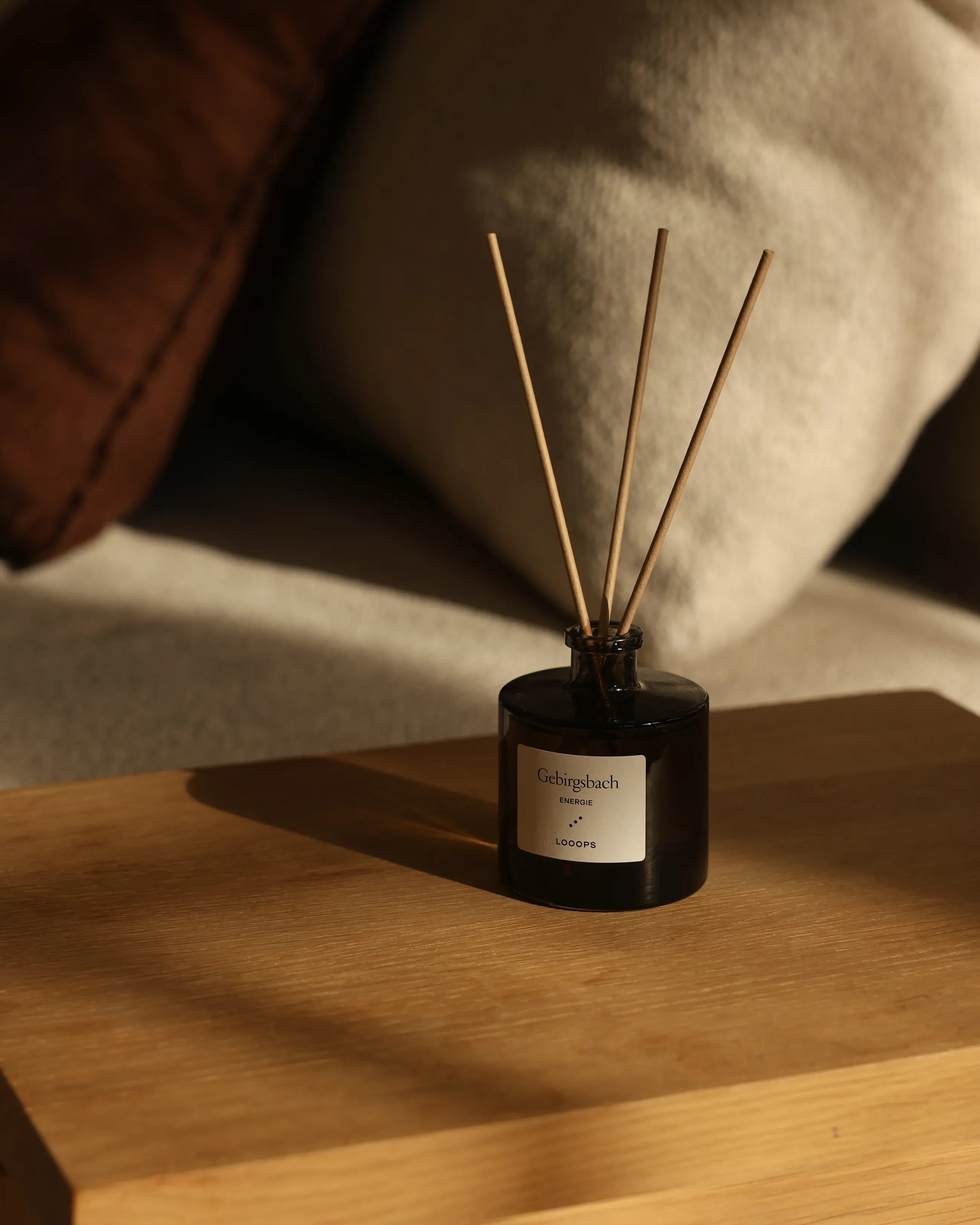
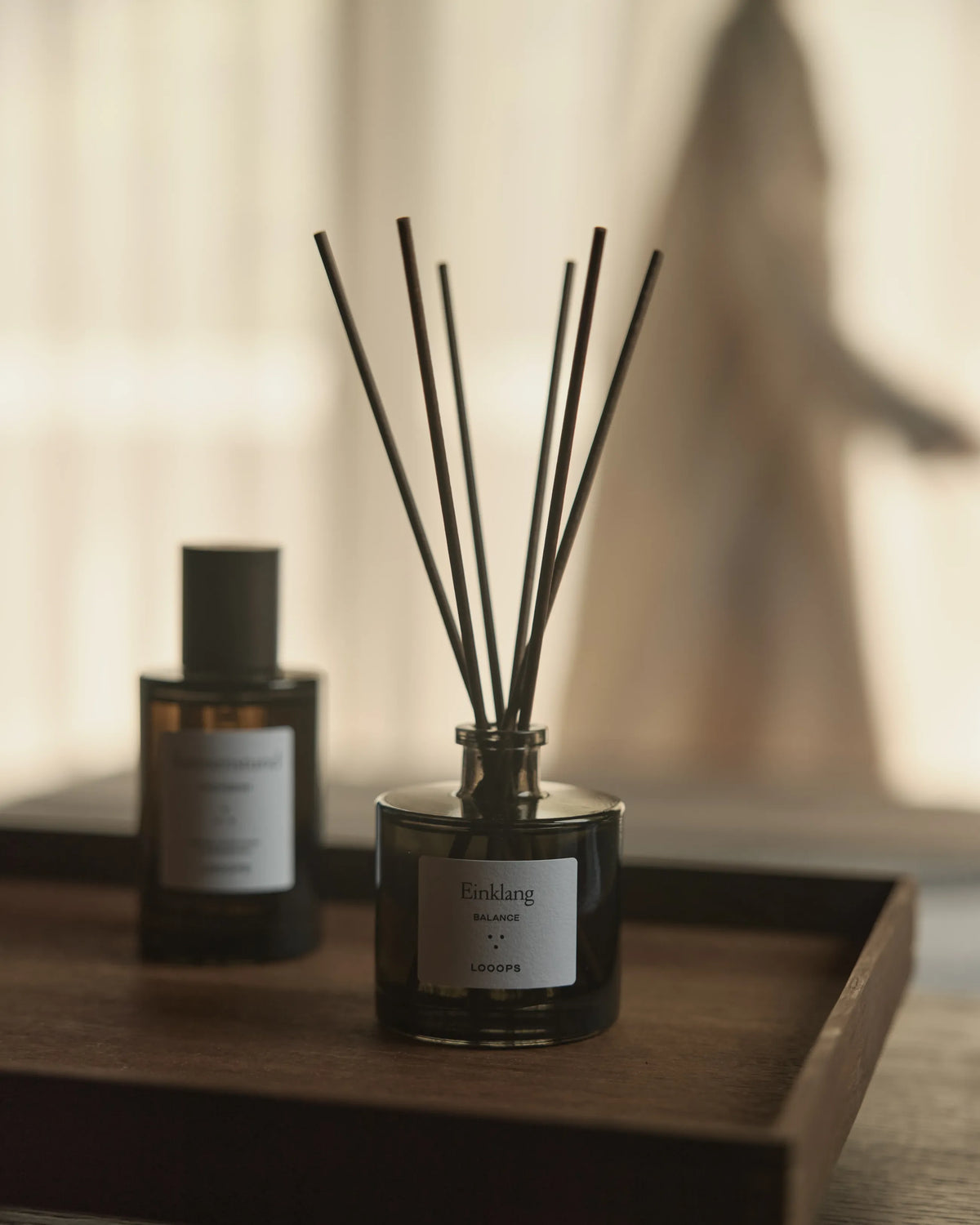
The air itself also plays a role. Where the air is still, the scent lingers there. Where it’s in motion—such as through an open window or a door that’s frequently opened—the scent spreads more quickly and evenly throughout the room. In the hallway or entryway, where there’s often a draft, for example, reed diffuser ensure a consistent scent.

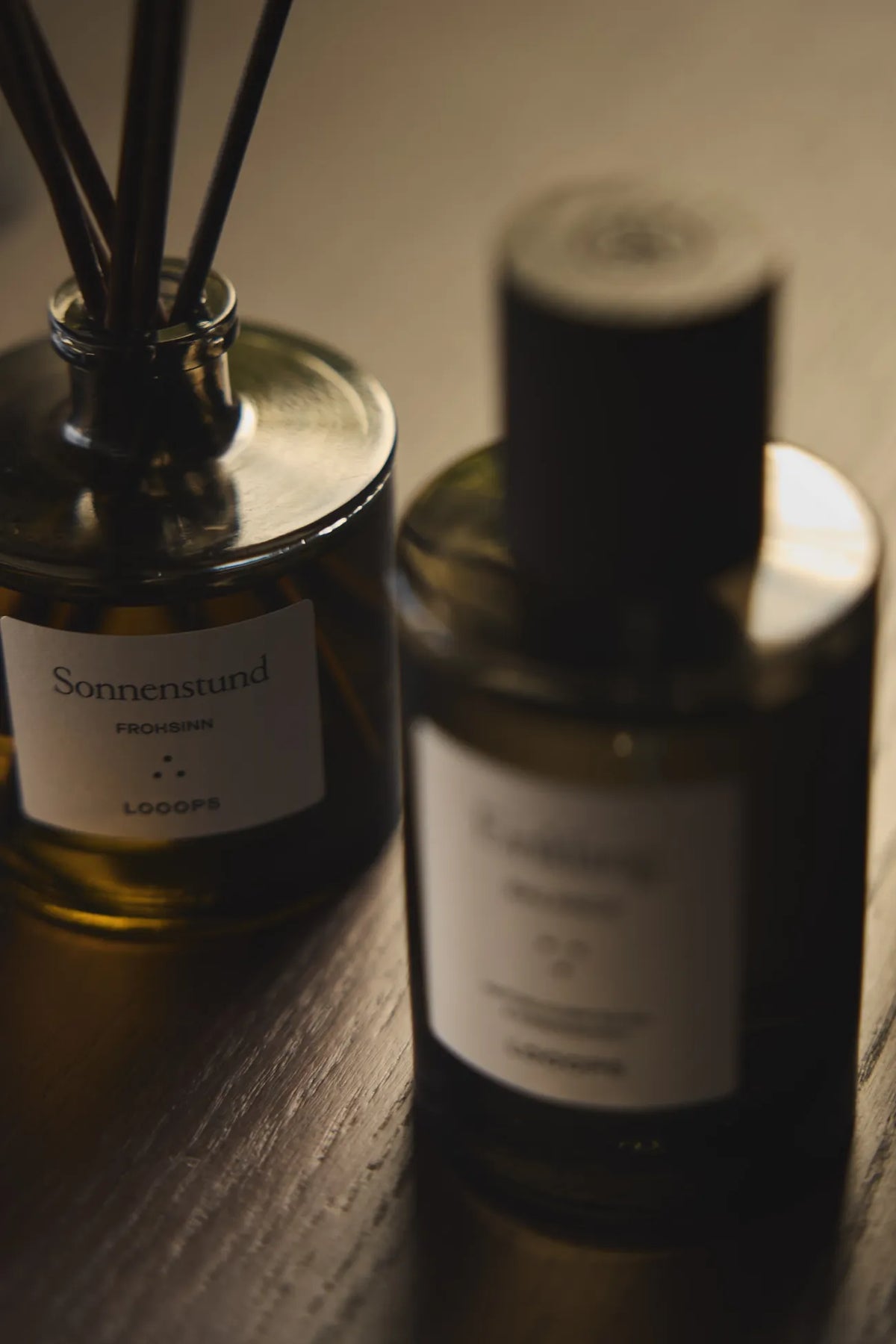
Materials – How surfaces shape scents.
Textiles soften scents. Curtains, rugs, or pillows absorb the scent and gently release it. This creates a cozy, soft atmosphere – for example, in the living room, paired with a scented candle or a pillow spray.
Stone, glass, or concrete absorb very little scent. They allow it to linger in the room just as it is – clear, direct, and unadulterated. In modern kitchens or bathrooms where lots of glass and smooth surfaces are present, a scent often feels cooler or more pronounced.
And then there’s wood. Real wood sometimes carries its own scent, especially when it’s new or warmed by the sun. In the bedroom or a cozy reading nook, that’s sometimes enough – an additional scent here can be more subtle.
Temperature and ventilation – a delicate balance.
Heat puts scents into motion. In a sunny or well-heated room, the essences unfold more quickly and disperse evenly throughout the space. As a result, the scent is often noticeable the moment you enter the room – present and widespread throughout.
In cooler, less heated rooms, the opposite occurs: the scent is released more slowly, and the air remains more still. Its essences move less and remain more concentrated in the room. Instead of a continuous scent blanket, this creates a quiet, focused perception.
If you air out the room, the perception changes. The nose is “reset” and perceives the scent anew, often more intensely. A brief moment that shows just how subtle the interplay between space and scent can be.
When it comes together.
Some scents seem destined for certain rooms. They enhance what is already there – without overpowering.
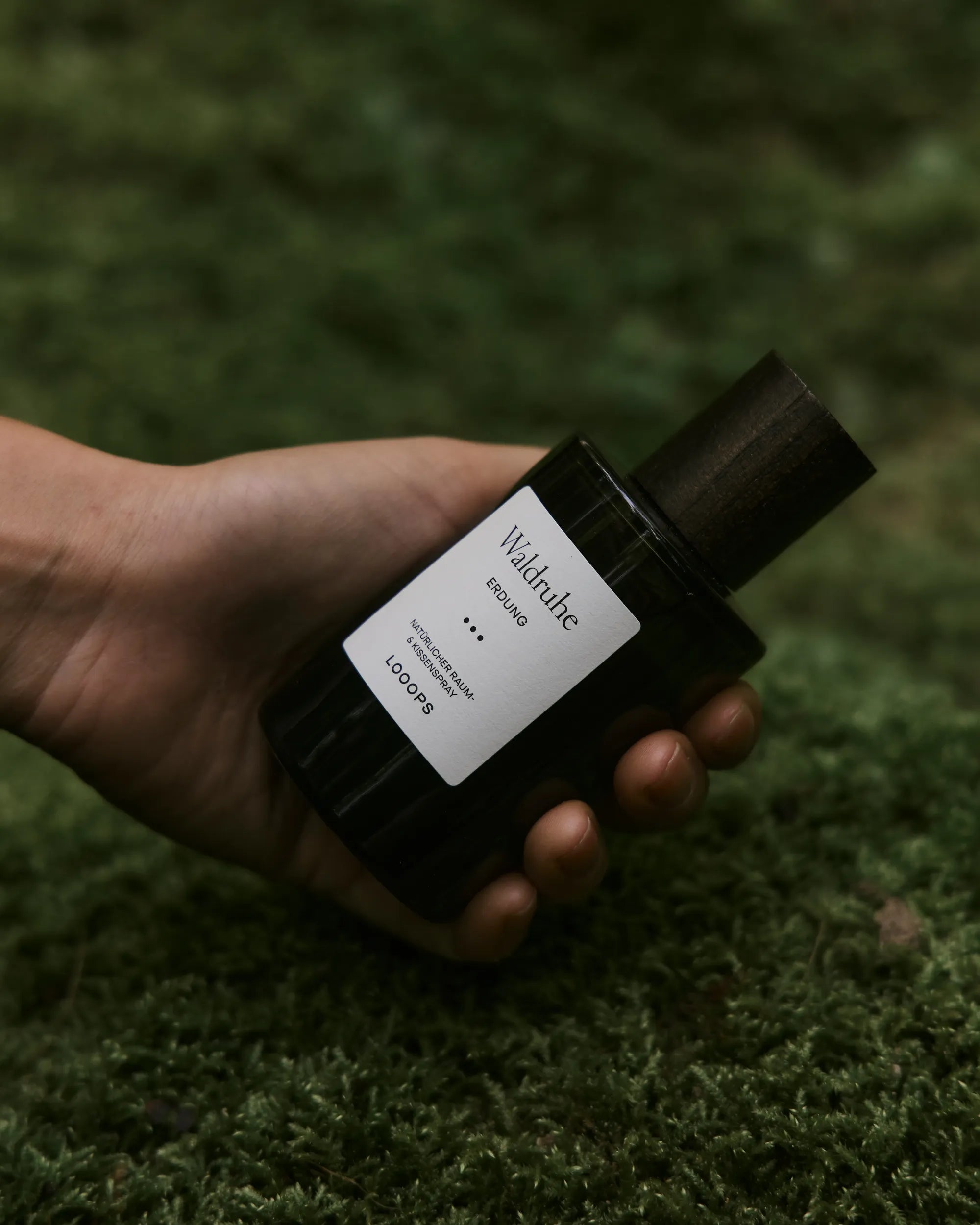
Woody, grounding essences – such as Waldruhe – go naturally with wood.
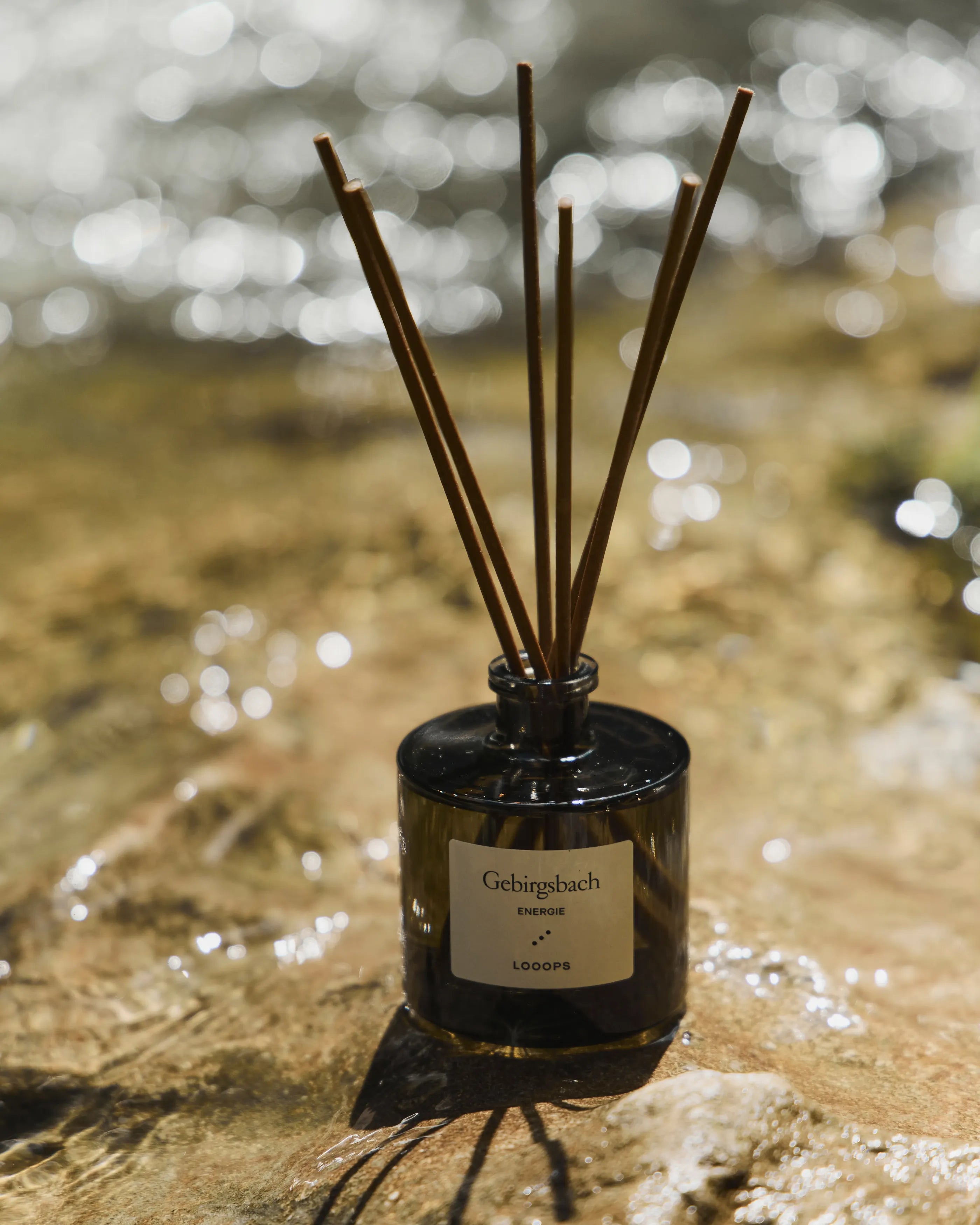
Fresh, crisp scents – like Gebirgsbach – harmonize particularly well with bright, airy rooms or materials such as glass and stone.
Caution is advised in the bathroom. Many scents often mix here: shower gel, soap, cleaning products. A clear, understated scent like Bergluft is the most appropriate choice in this case. It complements rather than competes.
Rooms become more than just spaces.
Your home is more than just its walls. It thrives on light, air, and materials – and on the atmosphere you create within it.
When you use scents thoughtfully, you realize it’s not about intensity, but about striking a delicate balance. You create spaces that feel inviting – subtle, yet noticeable.
For you. To read more.

Wabi-Sabi is a feeling. It emerges when something does not need to be perfect – and that is precisely why it resonates.
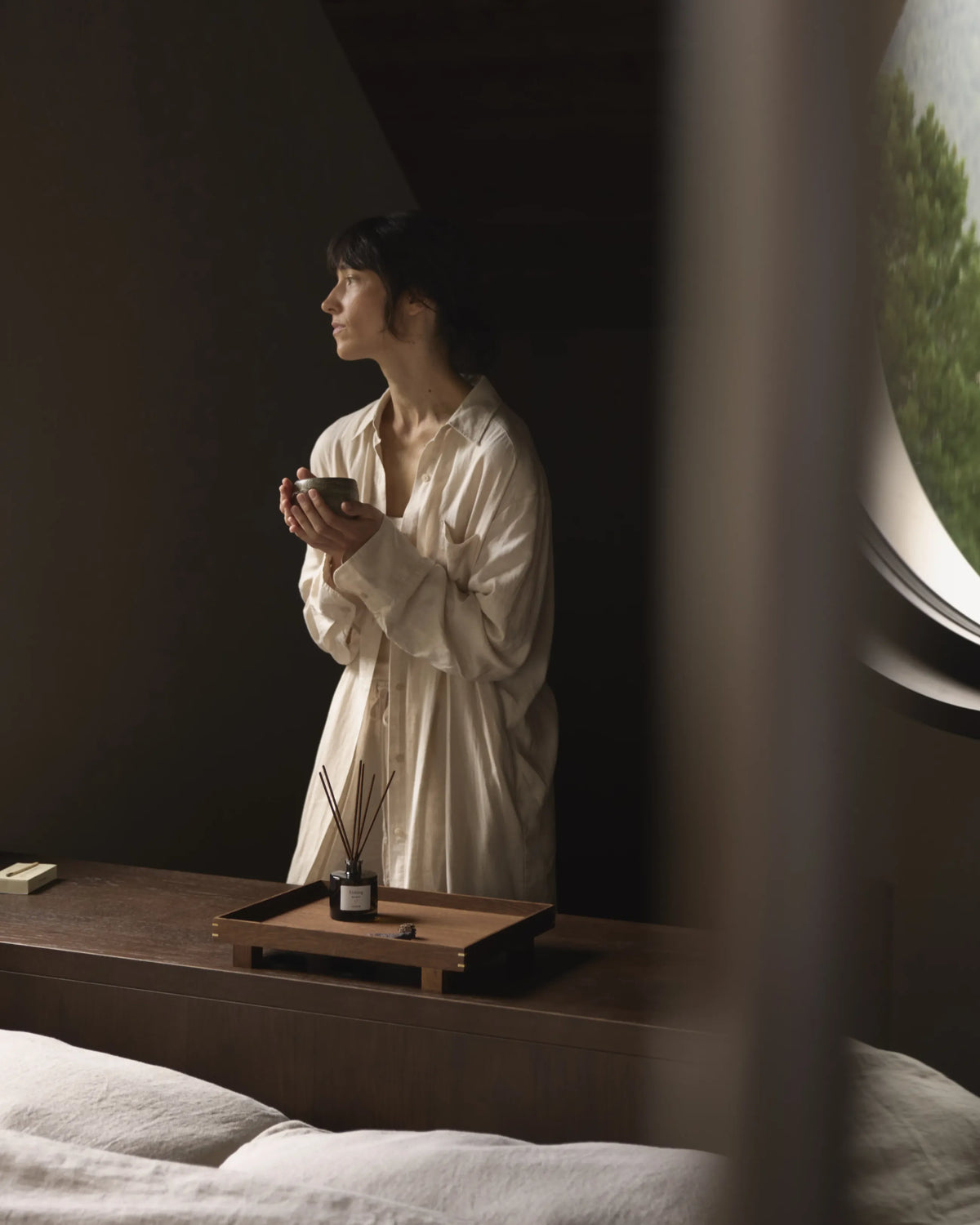
Discover small moments to guide your day – from morning's start to evening's release.

We often say time passes too quickly. Yet, within it, a moment waits, just for you.

The nature of pure essential oils. How they work, and what to consider. Discover the plant's essence.