


Wabi-Sabi
True beauty isn't perfect. Quite the opposite.
Wabi-Sabi is a feeling – not a concept. And that is where its beauty lies. It appears when something does not have to be perfect – and touches you precisely for that reason. When simplicity is enough. When the transient holds its own value.
This thought is also reflected at Looops – in our design, in our scents, and in the things that are allowed to stay.
Let us take you away – through thoughts and spaces:
What is Wabi-Sabi?
An idea that began with a teacup.
In everyday life – how do I live Wabi-Sabi?
At home – where imperfect can have an impact.
Wabi-Sabi in the glow of a scented candle.
What is Wabi-Sabi?
Wabi-Sabi is more than an interior trend. It’s a way of seeing the world. A quiet, clear perspective that embraces simplicity, impermanence, and what remains when nothing more needs to be added.
The term comes from Japan and combines two concepts:
Wabi describes the beauty of simplicity – the few things that are enough.
Sabi recognizes the value in lived experience – in things allowed to age.
Together, they create space for imperfection – which is precisely what makes it so moving. Wood that bears traces. Stone that breaks unevenly. Linen that feels soft. Wabi-Sabi recognizes not just the form of these materials, but their story.
An idea that began with a teacup.
Wabi-Sabi originated in Japanese tea culture. In the 16th century, the Zen monk Sen no Rikyū shaped this view of things. For him, beauty was not found in glamour, but in stillness. In a rough tea bowl. In a space that doesn't need to prove anything.
Even today, Wabi-Sabi plays a role in Japan – naturally, without much fanfare. The term itself is rarely used. But its essence lives on – in how things are designed, lived with, and preserved.
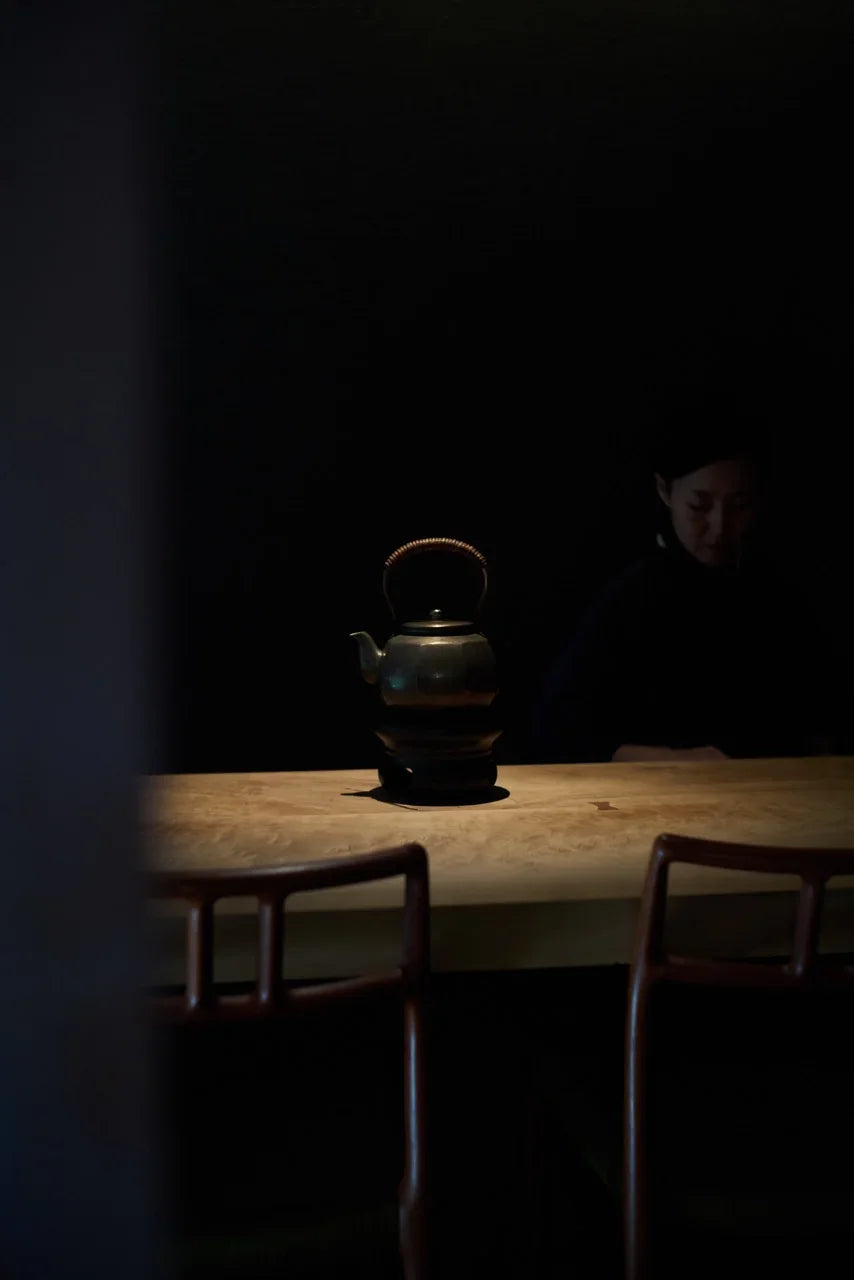
You find it in architecture. In gardens that let time take its course. In craftsmanship that doesn’t need to be perfect to be appreciated.
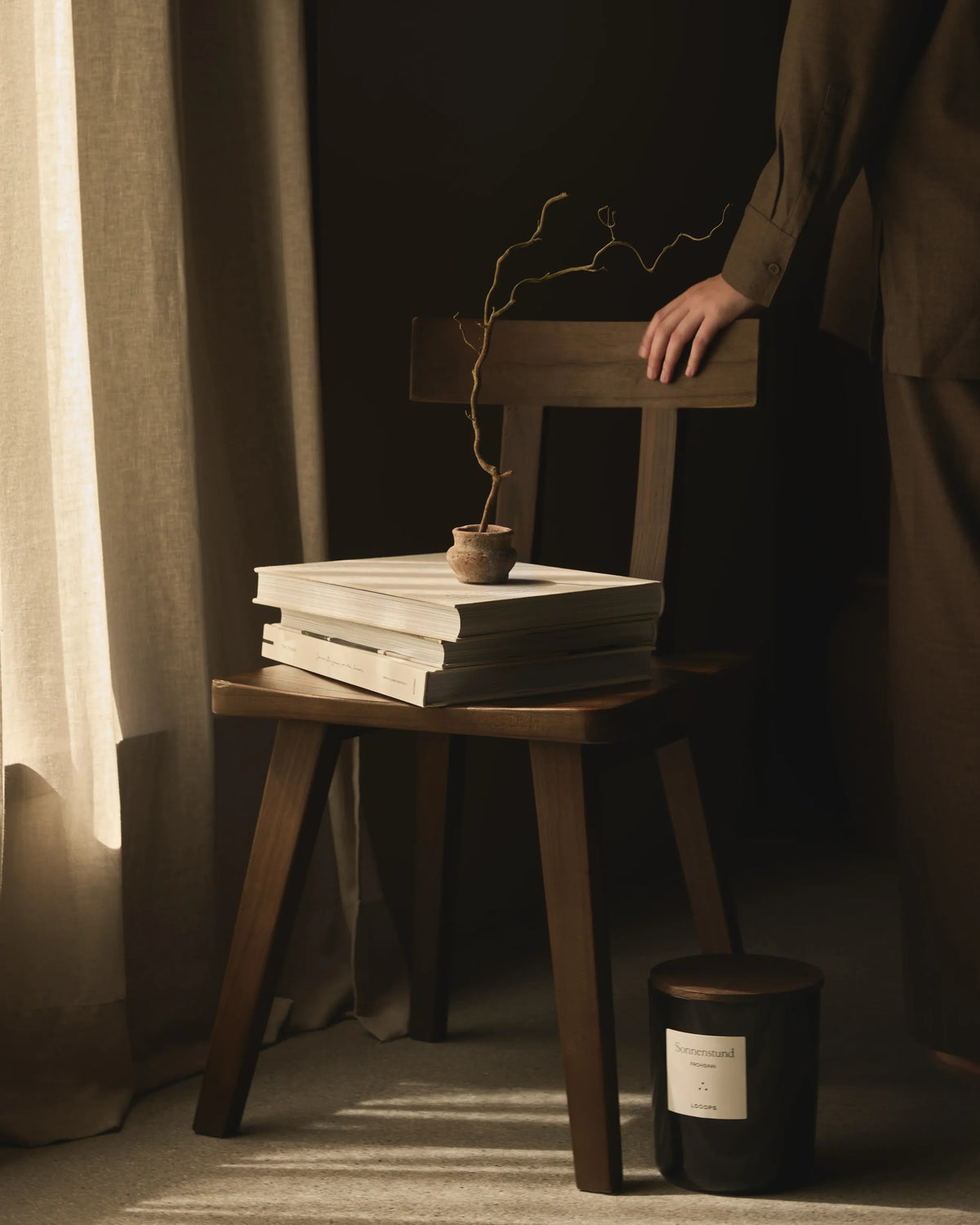
You find it in architecture. In gardens that let time take its course. In craftsmanship that doesn’t need to be perfect to be appreciated.
In everyday life – how do I live Wabi-Sabi?
These four thoughts will give you orientation:
1. Wabi – the art of simplicity.
Wabi invites you to focus on what matters. On spaces that are not overcrowded. Things that do not demand attention, but bring quiet. This thought also shapes our design: clean forms, calm colors and natural materials. Everything chosen with intent, nothing too much.
2. Sabi – the beauty of what has been lived.
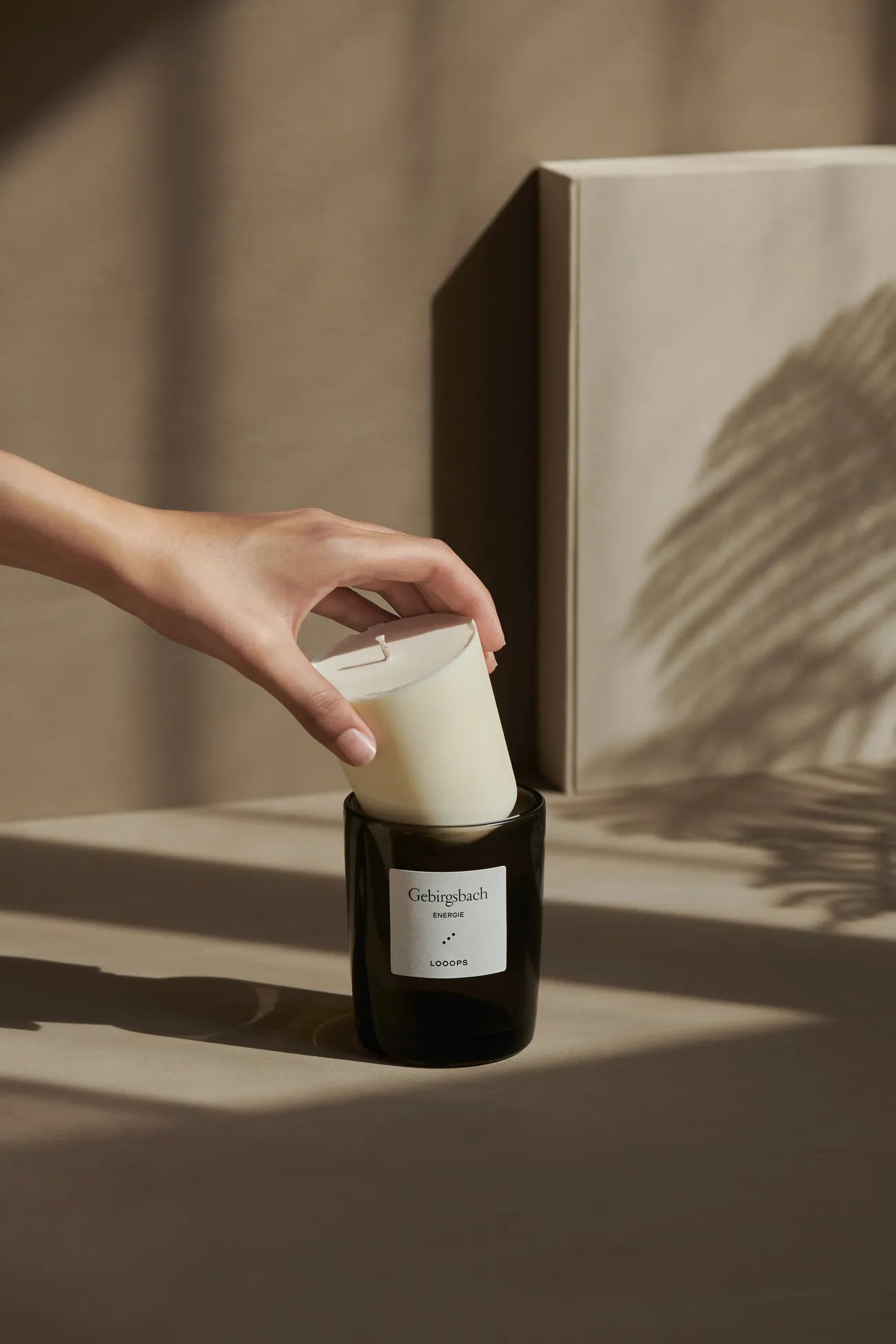
Sabi embraces the value of time – in things that bear traces and become part of the home over the years. A wooden table with scratches and lighter spots tells stories. A candle jar, too, is meant to stay and be refilled again and again. What remains grows in value.


3. Natural.
Linen, wood, stone, ceramic. Materials that come from nature – and are allowed to show where they belong. In the grain, the texture, the distinct characteristics.
Our scents show these subtle differences, too. Depending on the region, weather and harvest, they can vary slightly in scent and color. Nature is alive – and never entirely the same.
4. Mindfulness.
Own less, feel more. Wabi-Sabi also means letting go and keeping only what matters to you. What you enjoy using. What does you good. When there are fewer distractions, there is space for a quiet moment, a familiar scent, a short break. Rituals give moments like these a firm place in everyday life.
At home – where imperfect can have an impact.
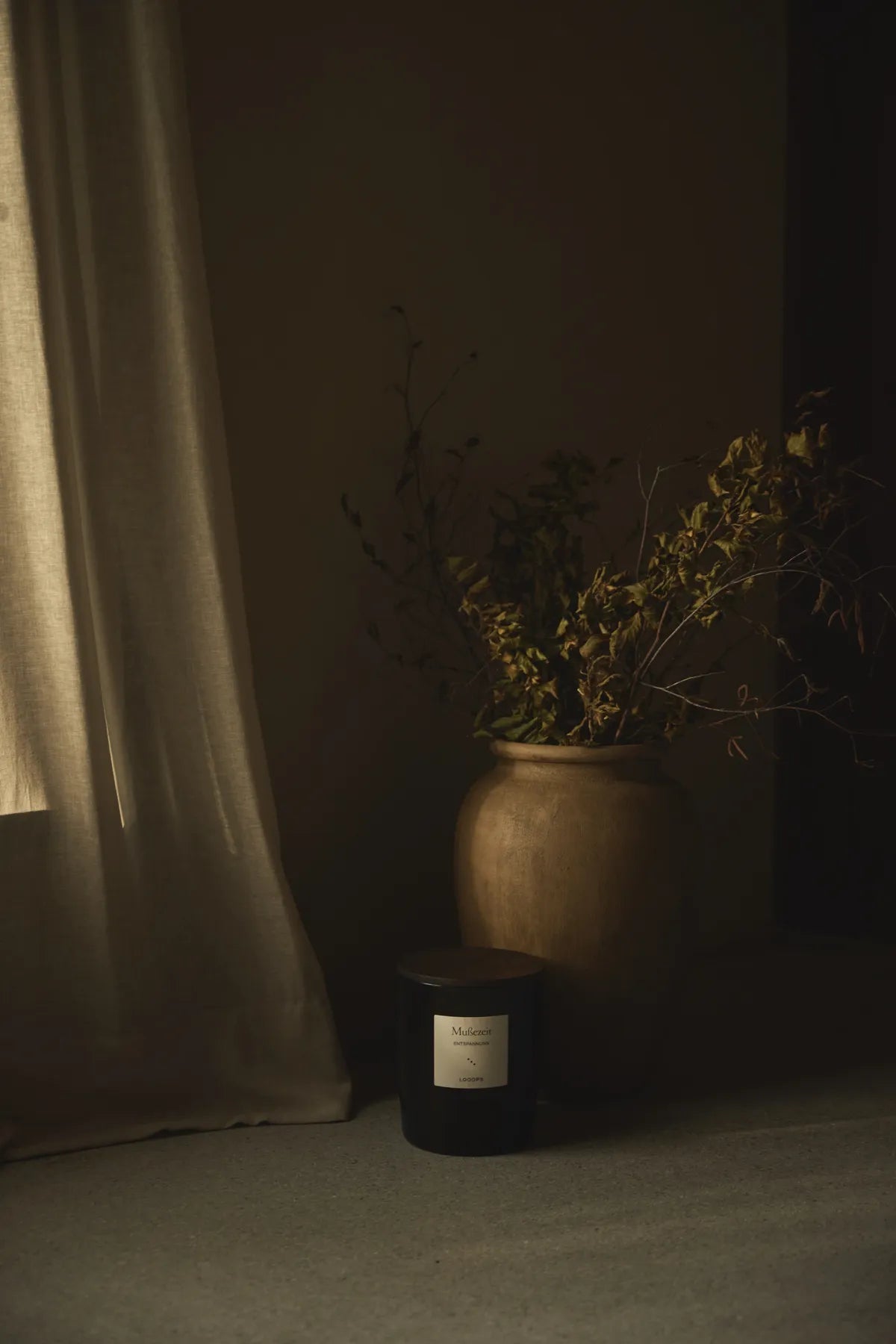
A room with a wabi-sabi feel is stripped back, yet never cold. It feels calm because not everything demands attention. Because not everything needs to be explained. And because what is there has been chosen with intent.
Natural materials play a central role here. Linen that is allowed to catch the light in soft folds. Wood that glows warmly – from pale maple to soft oak. Driftwood shaped by water and time. Earthenware fired with quiet imperfections.
The colors follow nature, too: warm beige, gentle gray, delicate off-white. Sometimes a muted green. Everything stays quiet – yet alive. The forms are organic, never quite straight. Edges are allowed to be round. Lines soft.
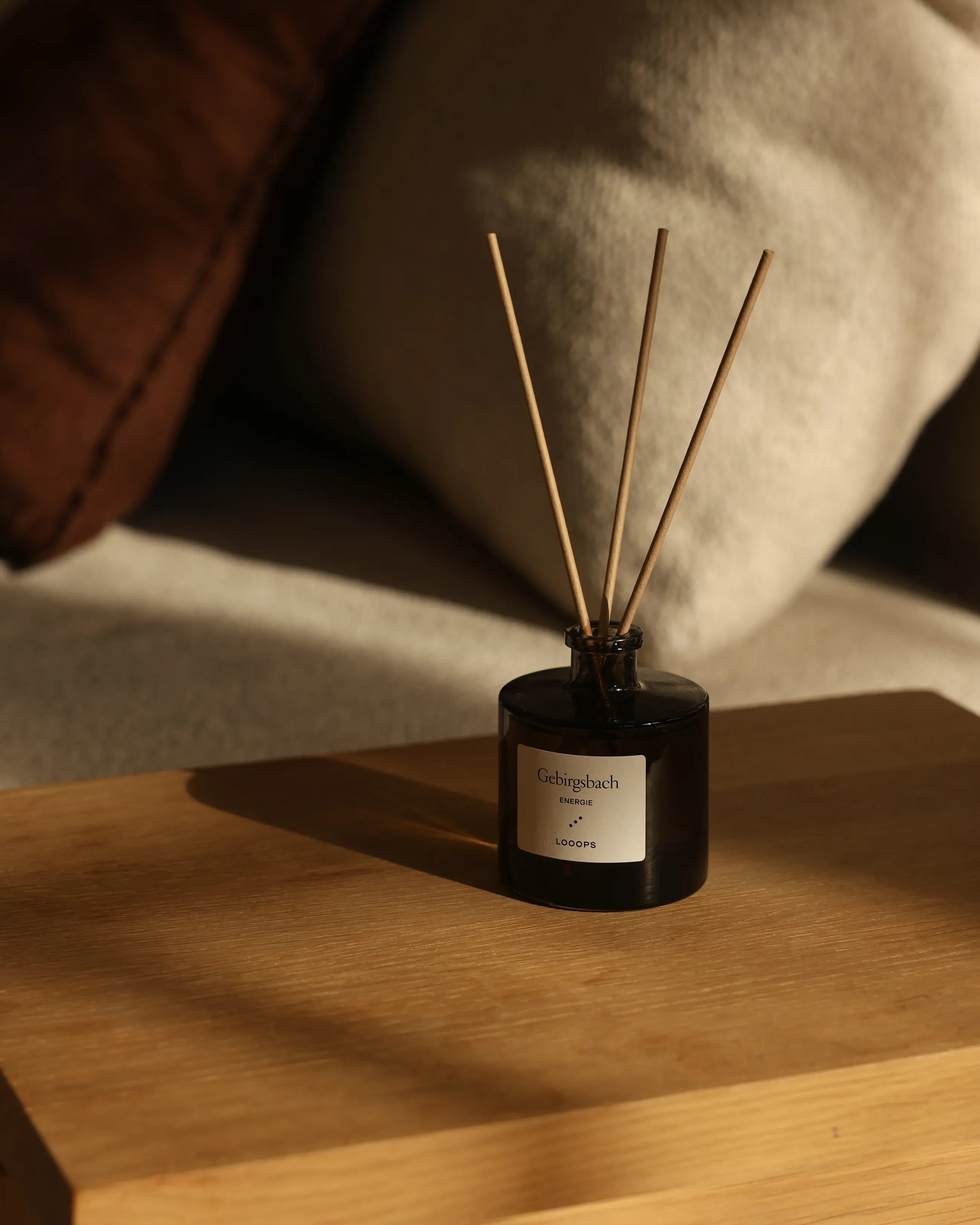
This atmosphere includes more than what meets the eye. Scent also shapes how a room feels. Woody scents bring nature indoors, warm, spicy essences give the room a soft warmth. Without ever pushing to the forefront.
Wabi-Sabi in the glow of a scented candle.
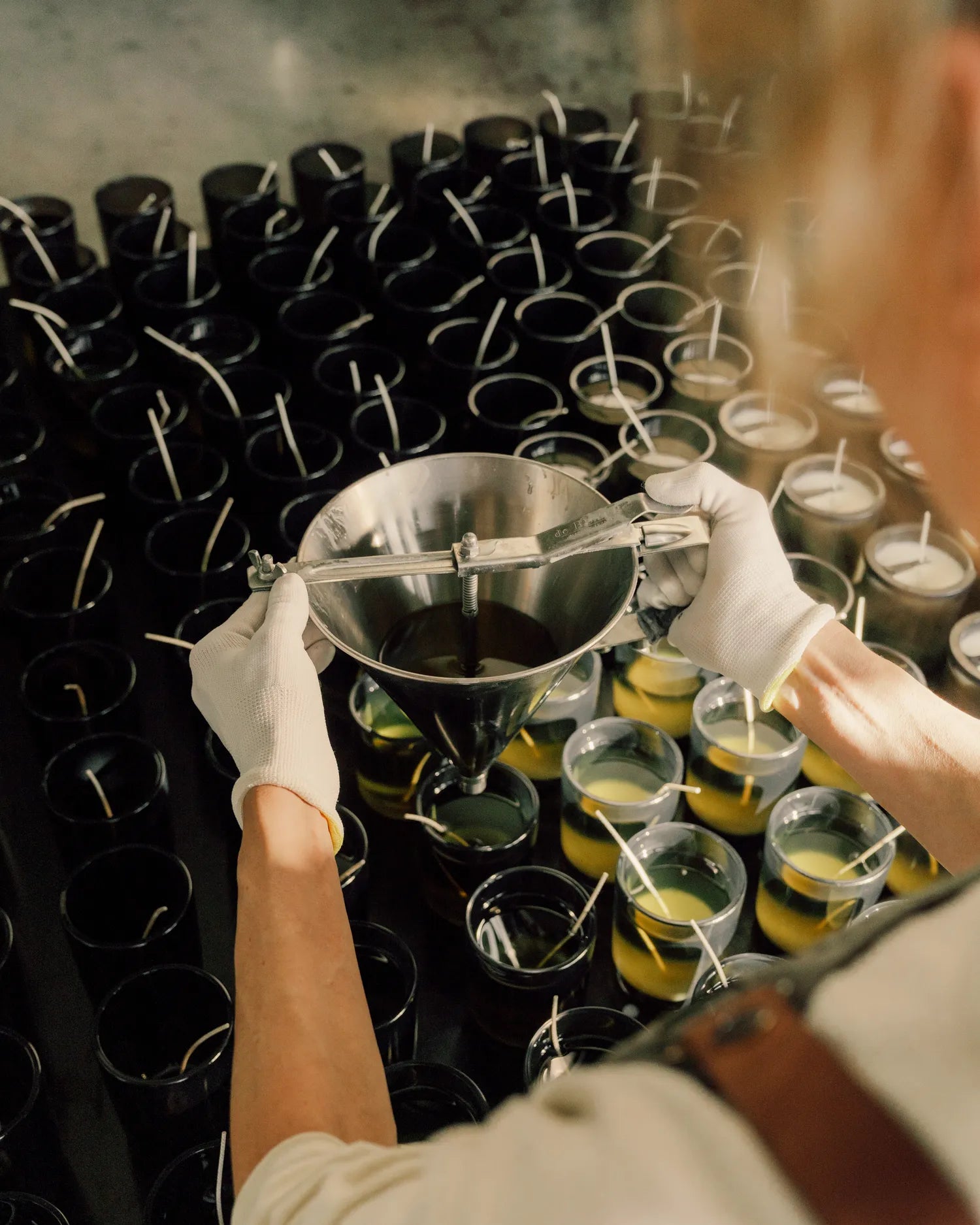
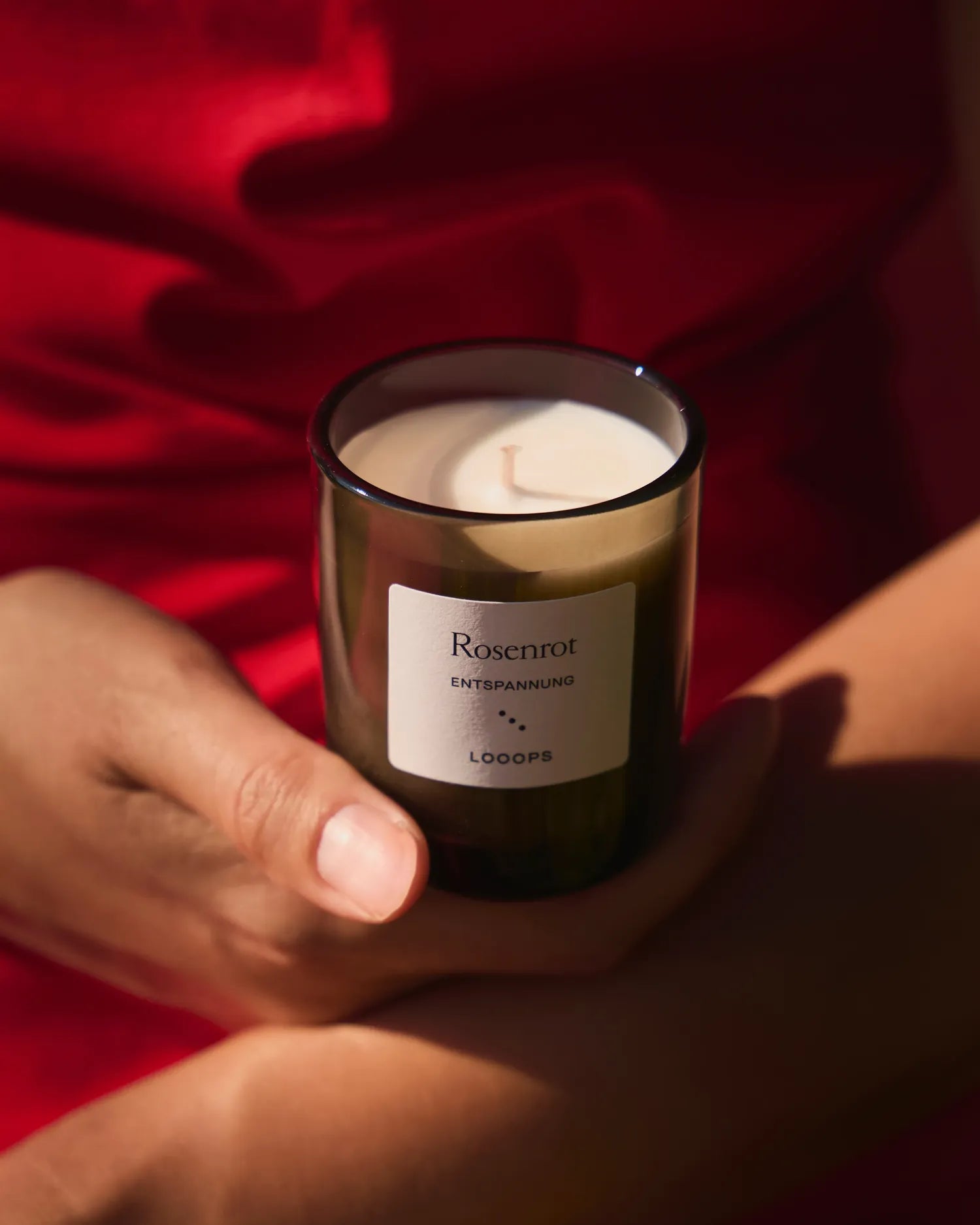
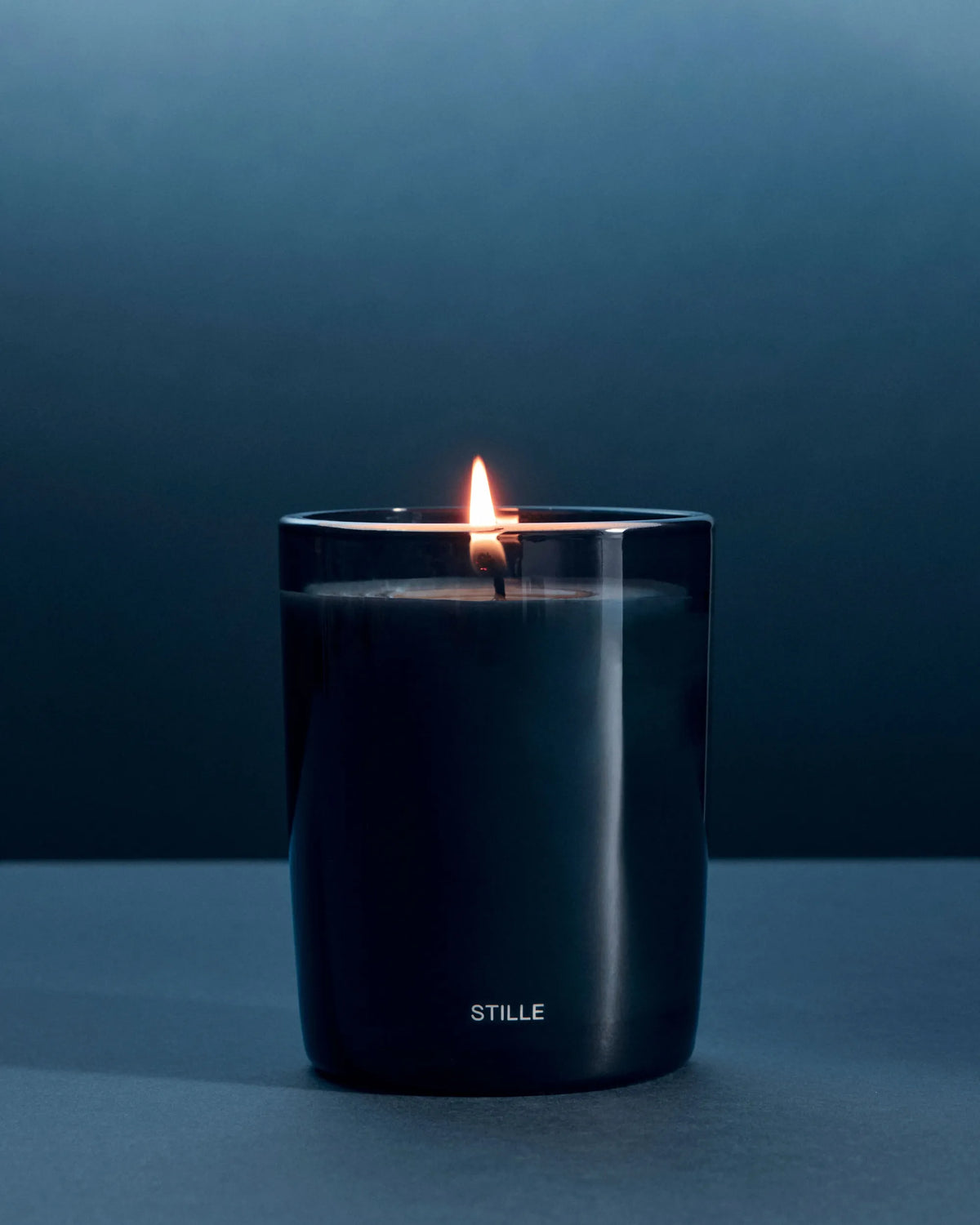
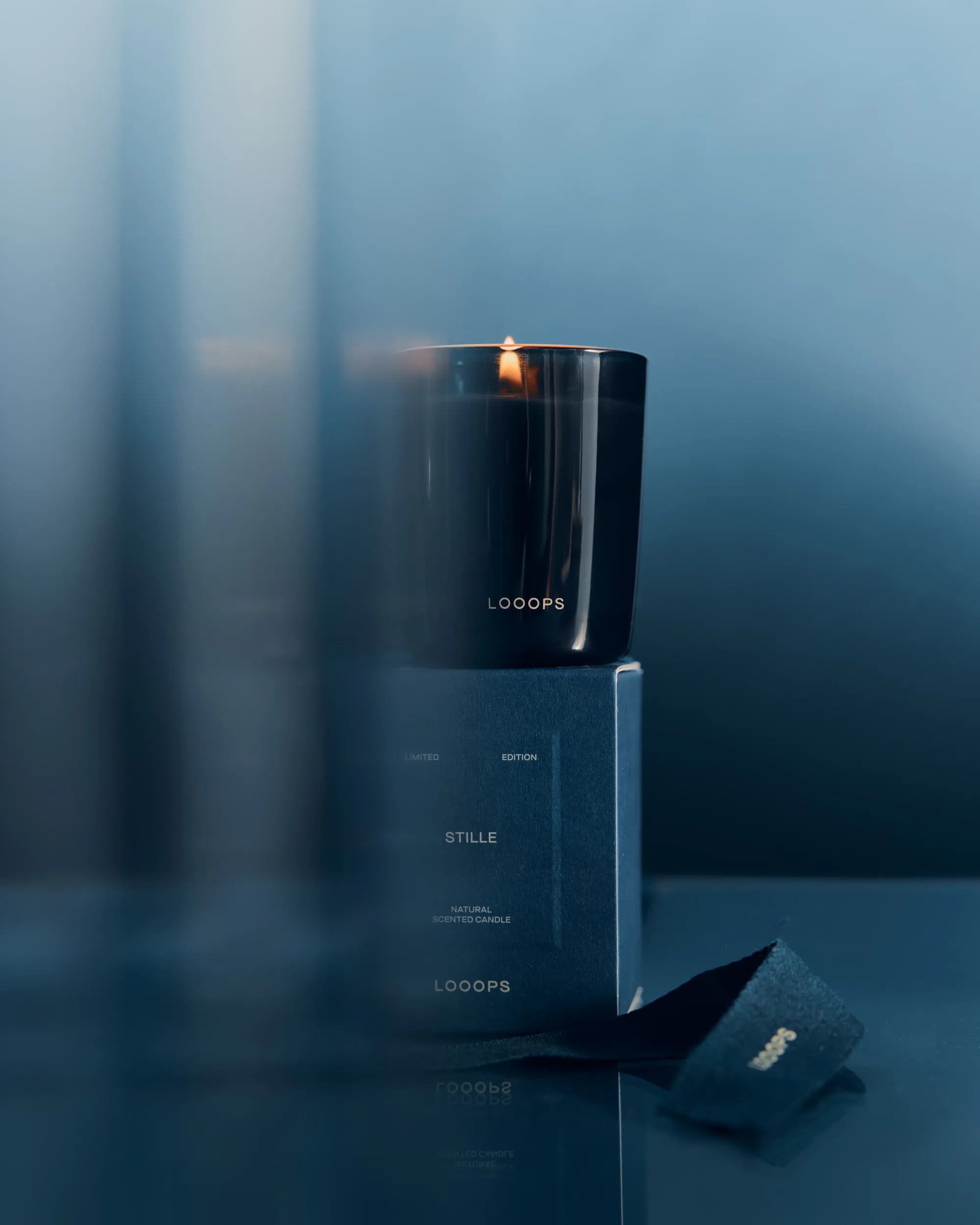
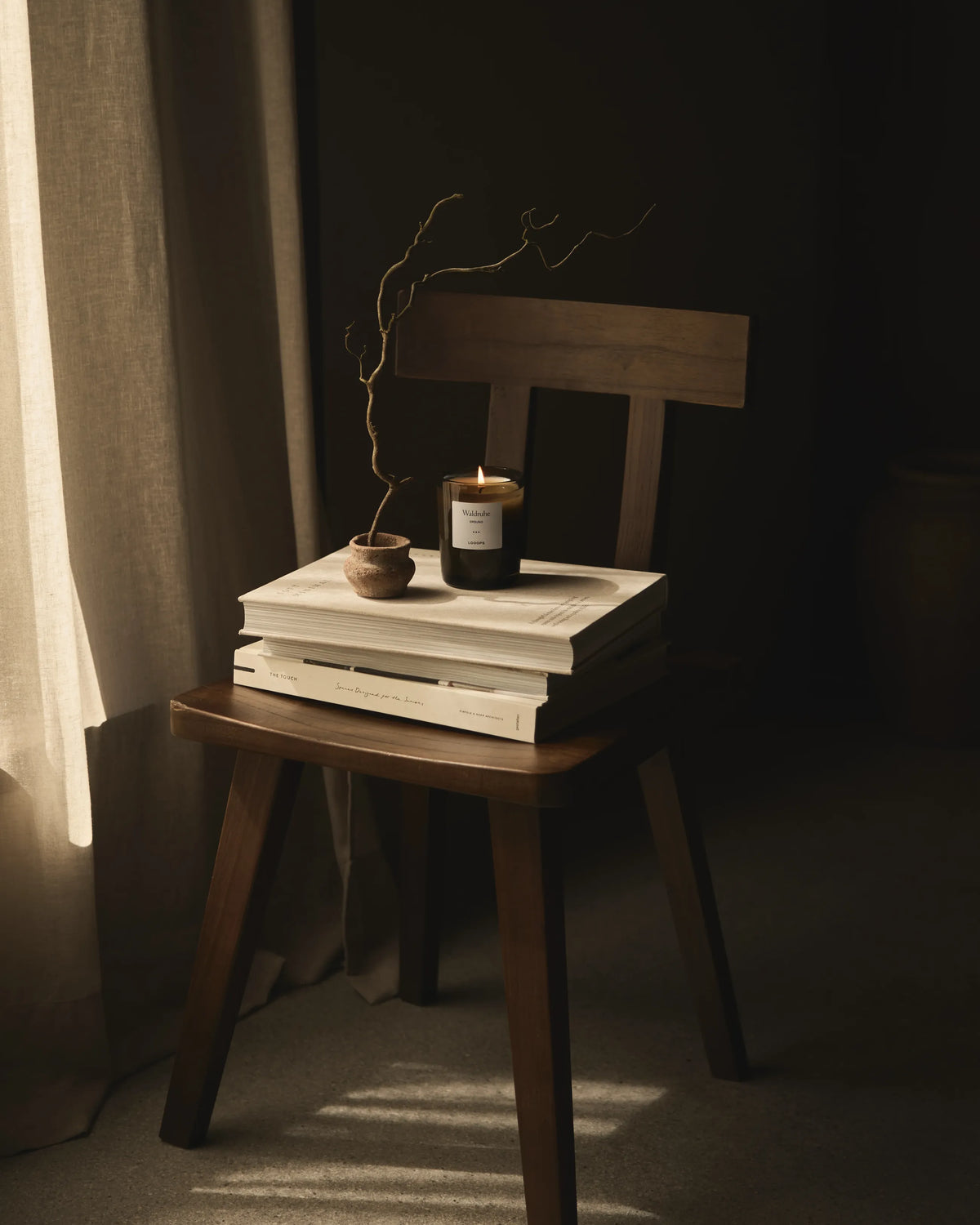
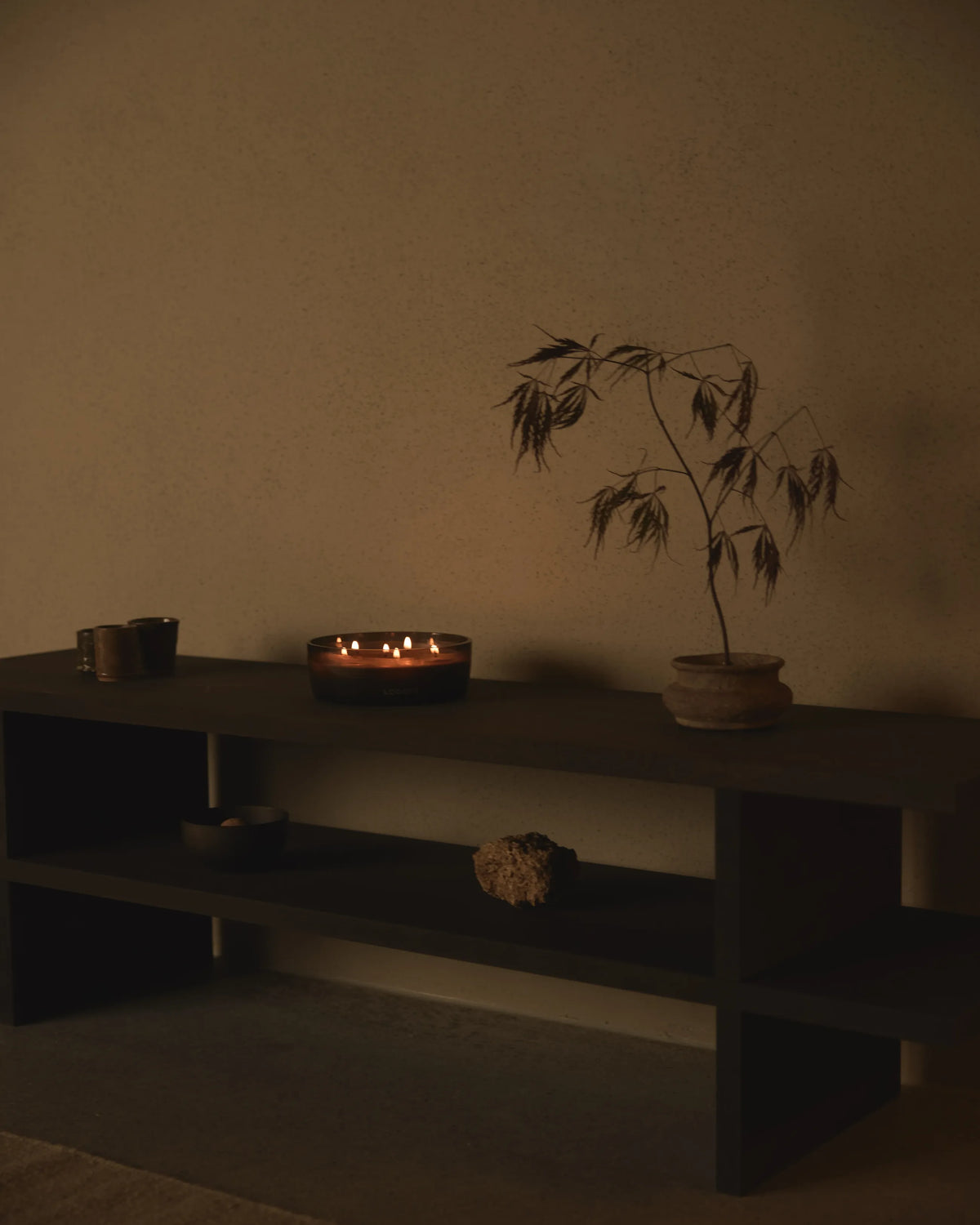
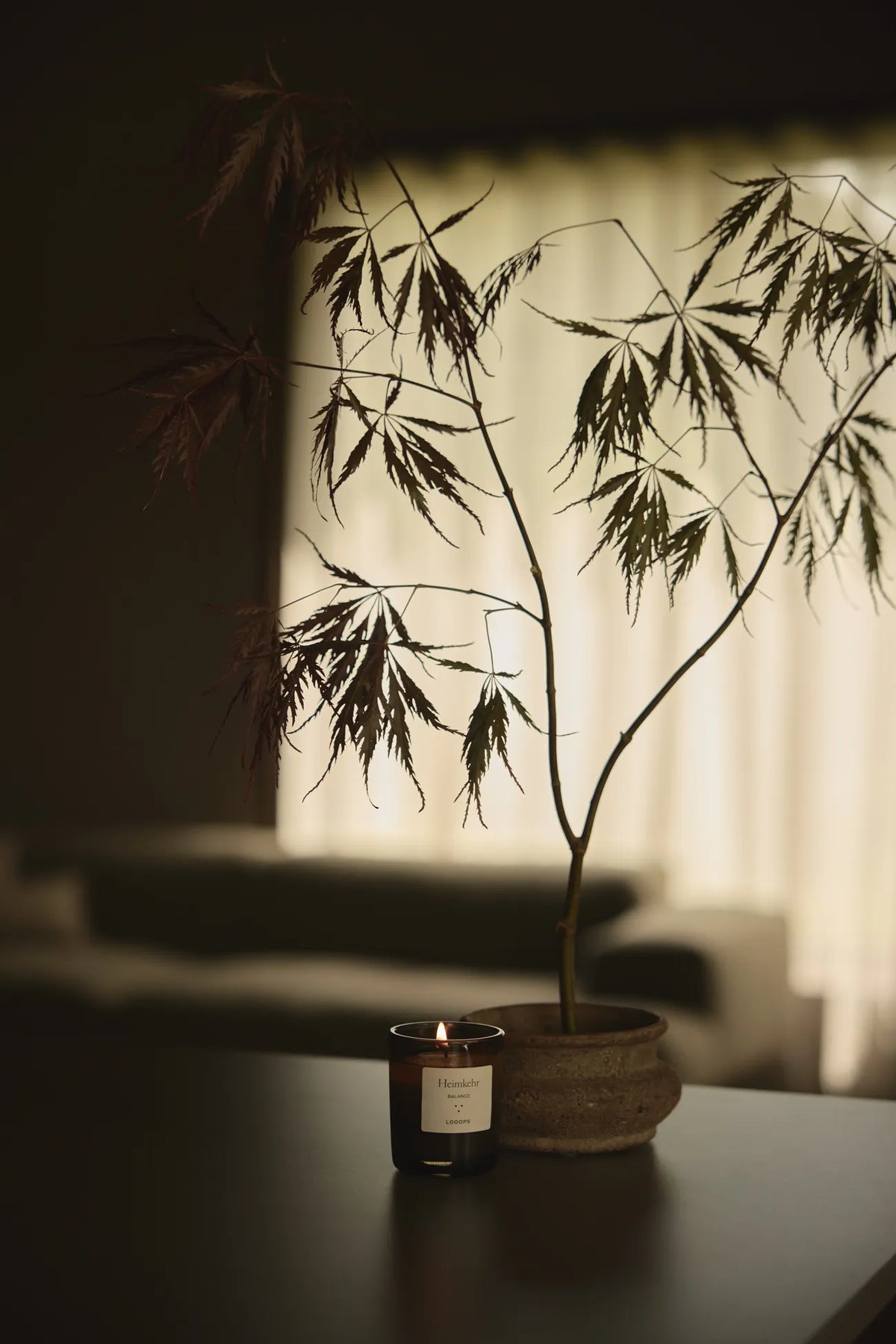
The clarity of Wabi is reflected in our scentated candles as well. In their simple form – and in the care chosen for every detail. Natural materials. Pure plant wax. Essential oils that remain true to nature. And a candle glass designed to last.
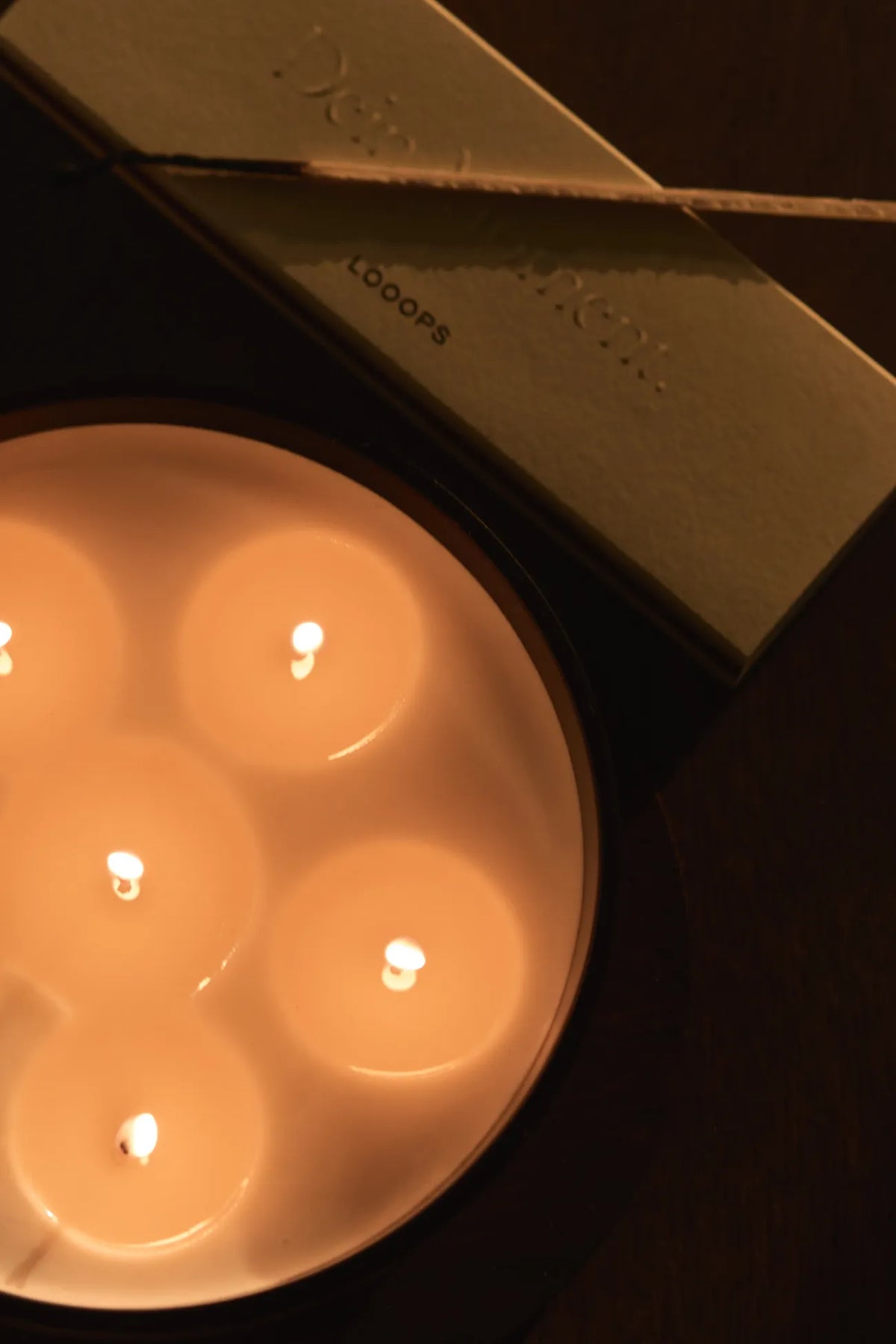
Sabi becomes tangible when the candle burns. When the wax shifts. When traces remain. A little different each time – and special for that very reason.
Keep things simple
without losing the poetry.
Keep things simple
without losing the poetry.
For you. To read more.
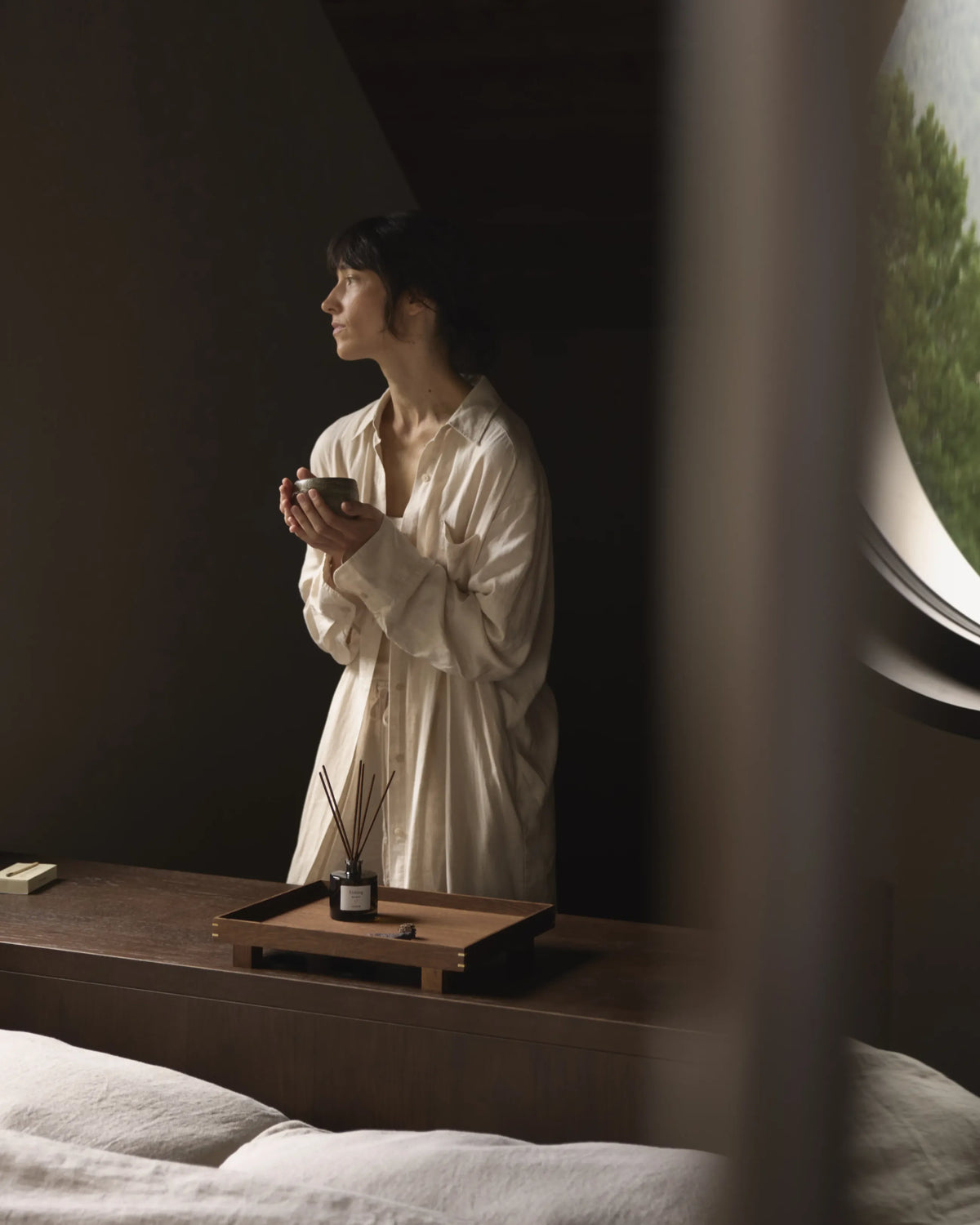
Discover small moments to guide your day – from morning's start to evening's release.
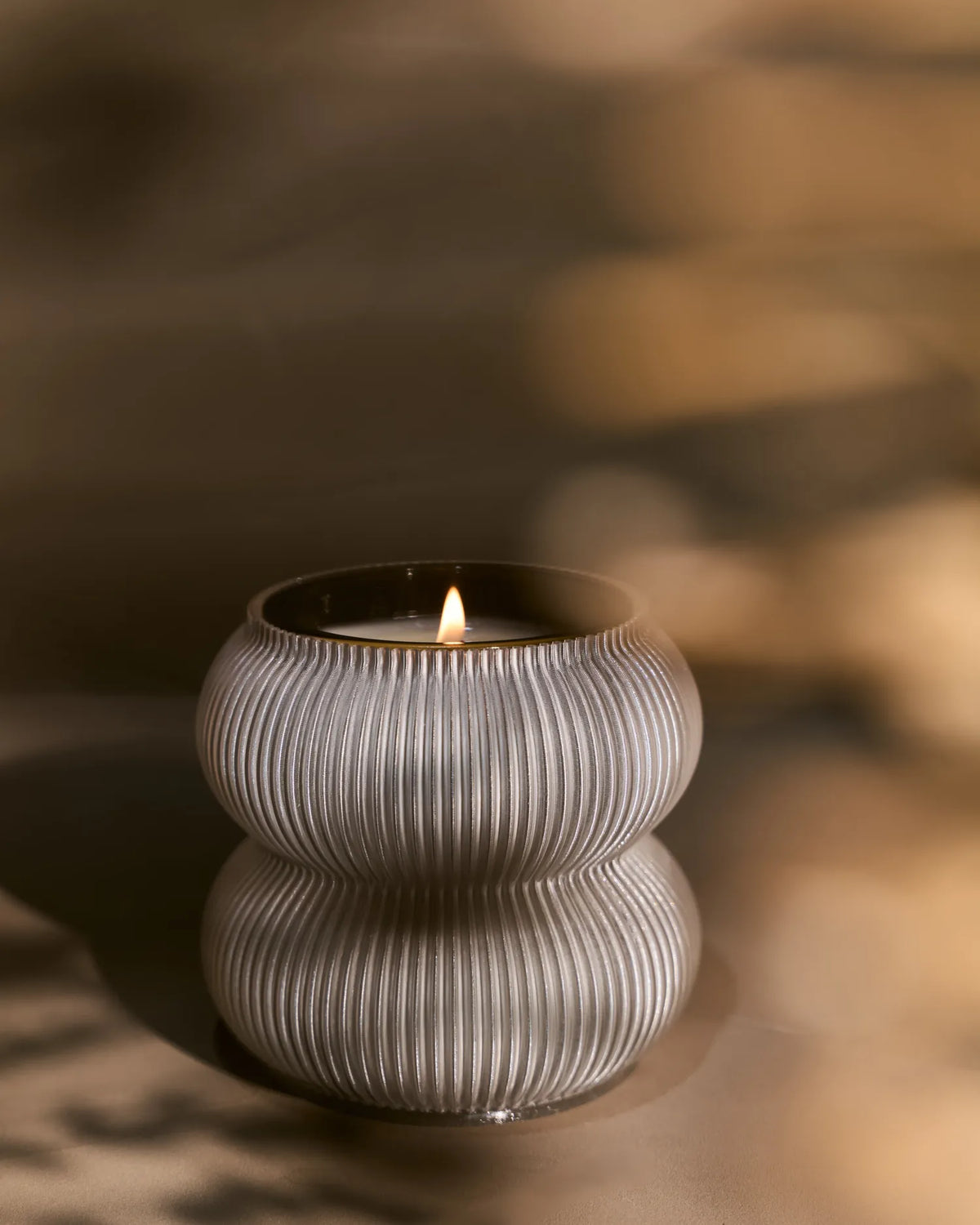
Shapes designed in Vienna. Scents inspired by nature. A special collaboration – inviting pause.
Scents can stir something within us that words cannot reach. What happens when plants become palpable.
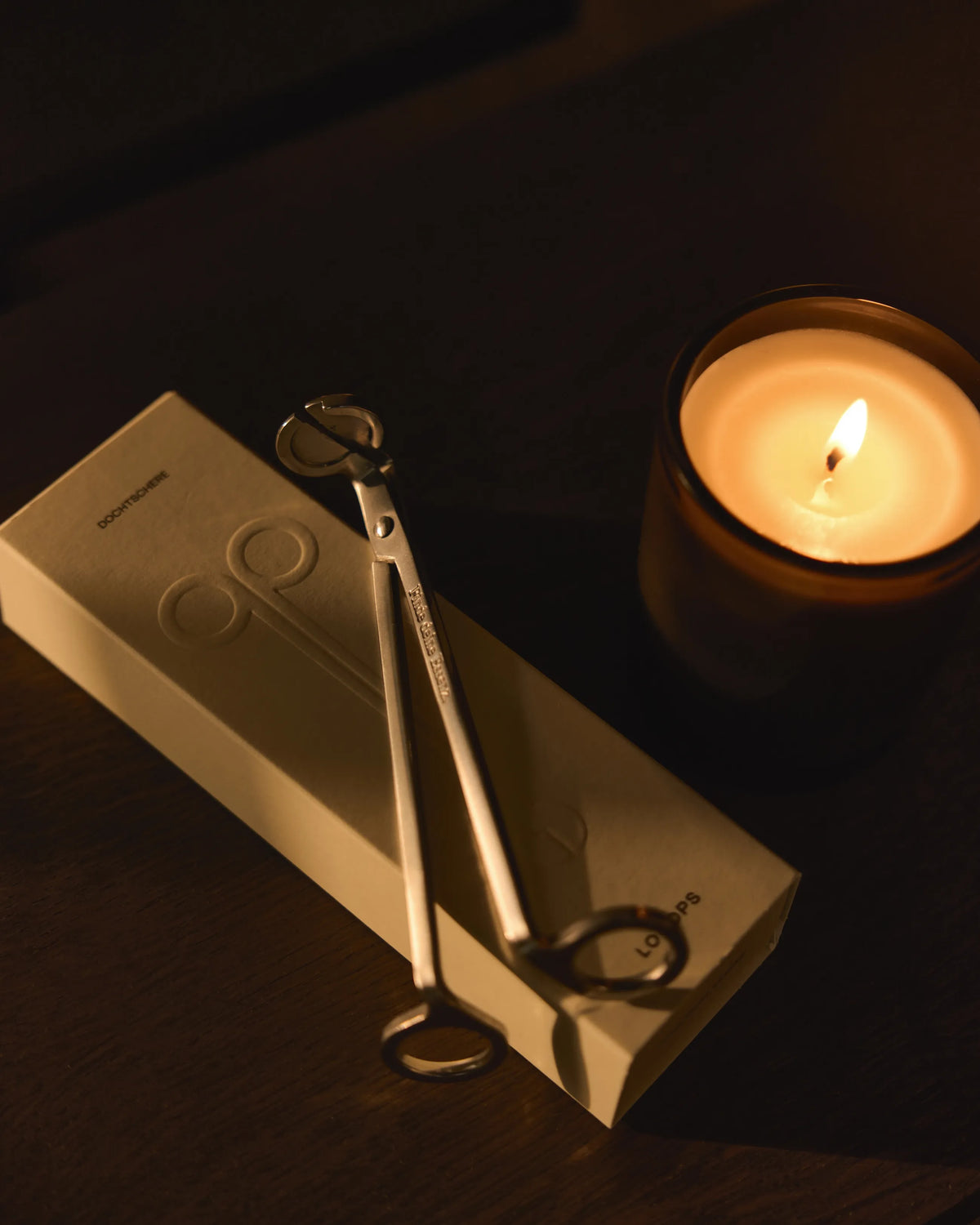
A simple tool with a long history, born of necessity – and today, a gesture of care.

What remains when all external things fall away? Who am I – without roles, without expectations? Join us on a journey.